
Complete Guide to Domain Name Investing: From Beginner to Profitable Flipper
What Is Domain Investing?
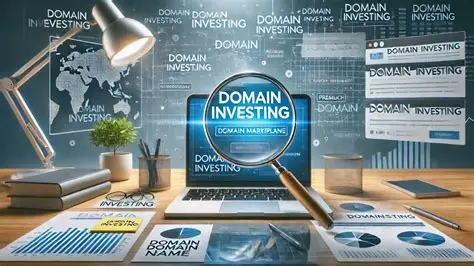
Domain investing is the practice of purchasing domain names with the intention of selling them for profit. Similar to real estate investing, successful domain investors identify valuable web addresses, purchase them at low costs, and resell them to interested buyers at significantly higher prices. This emerging investment strategy has created substantial wealth for savvy investors who understand market trends and domain valuation.
The domain investment market has grown exponentially over the past decade. Premium domains have sold for millions of dollars, with examples like Voice.com selling for $3 million and Insurance.com fetching $35.6 million. These exceptional cases demonstrate the potential returns available to investors who develop expertise in identifying valuable domain names.
Domain Investing for Beginners: Getting Started
Beginner domain investors should start by understanding the fundamentals before committing significant capital. The first step involves researching the domain market, learning valuation techniques, and identifying niches with growth potential. Most beginners should start with affordable, lower-risk domains while developing their skills and market knowledge.
Successful beginner investors typically focus on shorter domains, keyword-rich names, and emerging industry trends. Additionally, understanding your target market—whether it’s local businesses, startups, or established companies—helps refine your acquisition strategy. Join domain investing communities, read industry blogs, and study recent sales data to accelerate your learning curve.
How to Buy Domain Names Strategically
Purchasing domain names requires a strategic approach to maximize profitability. Begin by conducting thorough keyword research using tools like Google Keyword Planner, SEMrush, and Ahrefs to identify high-demand terms. Look for domains that solve problems, represent trends, or target lucrative industries like technology, finance, health, and e-commerce.
When evaluating a domain, consider several factors: domain extension (TLDs like .com are generally more valuable), length (shorter is better), memorability, pronunciation, spelling simplicity, and commercial intent. Avoid domains with numbers, hyphens, or unusual spellings unless they serve specific niches. Check trademark databases to ensure your intended purchase doesn’t infringe on existing intellectual property.
Research comparable sales using platforms like NameBio and DomainSherpa. These tools reveal what similar domains have sold for, helping you make informed pricing decisions. Additionally, verify that the domain has minimal or positive search volume and isn’t associated with negative history or previous spam activities.
Domain Flipping Guide: Buying Low, Selling High
Domain flipping is the short-term buying and selling strategy within domain investing. Successful flippers identify undervalued domains and sell them within months or a few years. This approach requires active marketing and strong negotiation skills to connect buyers with sellers.
The key to successful domain flipping involves identifying trending industries, emerging technologies, and cultural moments. For example, domains related to artificial intelligence, cryptocurrency, remote work, and sustainable energy have seen increased demand. Monitor news, startup funding announcements, and industry trends to anticipate demand shifts.
Effective marketing channels for domain flipping include domain marketplaces like Sedo, Flippa, and GoDaddy Auctions, as well as direct outreach to potential buyers. Create professional domain landing pages showcasing the name’s potential, and use email marketing to reach relevant businesses. Pricing strategically—asking 2-5 times your purchase price for development-stage domains—increases your chances of profitable sales.
Building relationships with other investors, brokers, and entrepreneurs accelerates your selling timeline. Participate in domain investment forums and networking events to expand your buyer base. Additionally, leveraging social media and content marketing can highlight why specific domains are valuable for particular businesses.
Best Domain Registrars in 2026
Selecting the right domain registrar is crucial for managing your investment portfolio effectively. The best registrars offer competitive pricing, reliable customer support, robust portfolio management tools, and transparent pricing with no hidden fees.
GoDaddy remains the largest registrar with extensive marketplace features, making it ideal for buying and selling domains. Their auction platform connects millions of potential buyers and sellers, providing excellent liquidity for flippers.
Namecheap offers affordable registration prices, transparent pricing policies, and excellent customer service. Their WhoisGuard privacy protection is included free, protecting your investment from unsolicited offers until you’re ready to sell.
Domain.com provides clean, user-friendly interfaces and competitive pricing for domain purchases. They offer excellent portfolio management tools for tracking multiple domains.
Porkbun stands out for transparent pricing, no upsell tactics, and competitive renewal rates. They’ve gained popularity among serious investors seeking straightforward service.
Dynadot offers affordable registration, free WHOIS privacy, and excellent domain management tools. Their bulk registration features appeal to investors managing large portfolios.
Domain Investment Risks and Mitigation Strategies
Like any investment, domain investing carries risks. The primary challenge is predicting market demand accurately. Domains may not sell, or they may depreciate rather than appreciate. Mitigation involves diversifying your portfolio across multiple niches and price points, reducing exposure to single-industry downturns.
Renewal costs accumulate over time, so investors should calculate carrying costs when determining profitability thresholds. Additionally, trademark disputes can result in domain loss without compensation. Always research trademark registrations before purchasing domains.
Conclusion: Building Wealth Through Domain Investing
Domain investing offers legitimate opportunities for generating passive and active income. Success requires patience, research, strategic thinking, and market awareness. Begin with realistic goals, invest gradually, leverage quality registrars, and continuously educate yourself about market trends. Whether you’re interested in long-term holding or active flipping, domain investing can become a profitable component of your investment portfolio when approached strategically.
Leave a Reply