Essential Web Development Tools and Clean Coding Practices for 2026
Introduction to Modern Web Development
Web development has evolved significantly, with professionals and beginners alike seeking the best tools and practices to create efficient, SEO-friendly websites. The landscape of web development tools continues to expand, offering developers numerous options to streamline their workflows. Understanding which tools work best and implementing clean coding practices are crucial for building maintainable, performant websites that rank well in search engines.
Best Web Development Tools 2026
The current year brings innovative solutions designed to enhance productivity and code quality. Visual Studio Code remains a top choice for developers, offering extensive extensions and built-in features that improve coding efficiency. GitHub Copilot has revolutionized code writing by providing AI-assisted suggestions that accelerate development cycles. For version control and collaboration, Git and GitHub continue to dominate the industry, allowing teams to manage code changes seamlessly.
Modern frameworks like React, Vue.js, and Angular have become indispensable for front-end development. These tools enable developers to build interactive user interfaces with reusable components. On the back-end, Node.js and Python frameworks remain popular choices for server-side development. Additionally, containerization tools like Docker and orchestration platforms like Kubernetes have become essential for deployment and scaling applications efficiently.
HTML and Java Frameworks for Webmasters
For webmasters focused on building robust web applications, several frameworks have emerged as industry standards. HTML5 serves as the foundation for modern web development, providing semantic elements that improve both accessibility and SEO. Combined with CSS3, HTML5 enables responsive design that works seamlessly across all devices.
Java frameworks like Spring Boot have simplified enterprise-level web development, offering comprehensive solutions for building scalable applications. The Spring framework ecosystem provides tools for dependency injection, security, and data persistence. JSF (JavaServer Faces) and Struts offer alternative approaches for Java-based web development, though Spring has become increasingly dominant.
For those combining HTML with JavaScript, frameworks like Next.js and Nuxt.js provide powerful solutions for server-side rendering and static site generation. These frameworks optimize performance and SEO by generating pre-rendered pages that search engines can easily crawl and index.
How to Structure Website Code for SEO
Proper code structure directly impacts SEO performance and search engine visibility. Beginning with semantic HTML, developers should use appropriate heading tags (H1, H2, H3) to create logical document hierarchies. The H1 tag should contain the primary page topic, while secondary headings organize content into digestible sections. This structure helps search engines understand page content and improves user experience.
Meta tags play a crucial role in SEO. The title tag should be descriptive and contain primary keywords, while the meta description provides concise summaries for search engine results. Open Graph and Twitter Card meta tags enhance social media sharing and visibility. Additionally, implementing structured data markup using Schema.org vocabulary helps search engines understand content context, improving rich snippet eligibility.
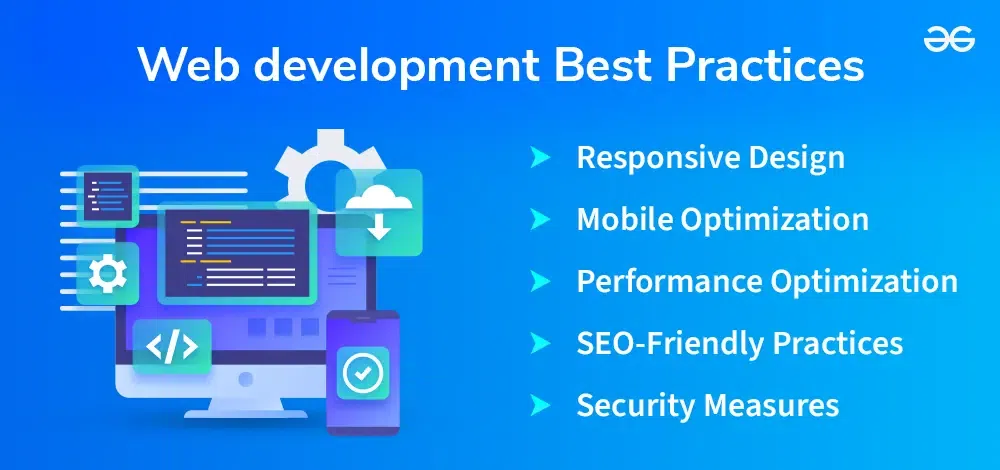
Site architecture matters significantly for SEO. A logical URL structure using descriptive slugs, proper internal linking strategies, and XML sitemaps help search engines crawl and index websites efficiently. Mobile responsiveness is no longer optional; it’s a ranking factor. Implementing responsive design ensures optimal user experience across devices, directly affecting SEO performance.
Page speed optimization is critical for both user experience and search rankings. Minifying CSS and JavaScript, optimizing images, implementing caching strategies, and using content delivery networks (CDNs) reduce load times. Clean, efficient code contributes directly to better performance metrics, which Google considers when ranking pages.
Essential Coding Tips for Beginners
Starting a web development journey requires understanding fundamental principles. First, prioritize readability by using meaningful variable names, consistent indentation, and comments explaining complex logic. Code that’s easy to understand is easier to maintain and modify.
Follow the DRY principle—Don’t Repeat Yourself. Reusable functions and components reduce code duplication and make updates more efficient. This practice not only improves code quality but also reduces file sizes, positively affecting website performance and SEO metrics.
Version control should be implemented from the beginning. Using Git helps track changes, collaborate with others, and revert mistakes when necessary. Understanding branching strategies and commit messages establishes professional habits that scale as your projects grow.
Testing your code is non-negotiable. Unit tests, integration tests, and end-to-end tests catch bugs before they reach production environments. Quality assurance prevents broken functionality that could harm user experience and search engine rankings.
Security should never be an afterthought. Validate all user inputs, use parameterized queries to prevent SQL injection, implement HTTPS encryption, and keep dependencies updated. Security vulnerabilities can devastate websites and damage search rankings.
Regularly refactor code to remove technical debt. As projects grow, taking time to improve code structure and eliminate inefficiencies prevents future complications. Clean code is maintainable code.
Staying Current with Web Development Trends
The web development landscape evolves continuously. Developers should dedicate time to learning new tools, frameworks, and best practices. Online resources, documentation, tutorials, and community forums provide valuable learning opportunities. Following industry blogs and attending webinars helps professionals stay informed about emerging technologies and standards.
Conclusion
Building modern websites requires understanding essential tools, frameworks, and clean coding practices. By implementing proper code structure for SEO, utilizing the best web development tools 2026 offers, and following fundamental coding principles, developers create websites that perform well both technically and in search engine rankings. Whether using HTML and Java frameworks or exploring modern alternatives, prioritizing clean code and SEO-friendly practices establishes a strong foundation for web development success. Beginners should focus on mastering fundamentals while staying curious about industry innovations.
Leave a Reply