Choosing the Ultimate Tech Stack for Modern Web Development
What is a Web Development Tech Stack?
A web development tech stack refers to the combination of programming languages, frameworks, libraries, and tools used to build web applications. It typically consists of frontend technologies for user interface development and backend technologies for server-side operations. Choosing the right tech stack is crucial for project success, scalability, and long-term maintenance. The best web development stack 2026 emphasizes flexibility, performance, and developer productivity.
Frontend vs Backend: Key Differences
Understanding the difference between frontend and backend is essential for selecting appropriate technologies. Frontend development focuses on user-facing elements, including everything users see and interact with on their browsers. It involves HTML, CSS, and JavaScript to create responsive, visually appealing interfaces. Backend development, conversely, handles server-side logic, database management, and API development that power the frontend.
Frontend developers work with technologies that run in browsers, ensuring smooth user experiences and fast load times. Backend developers focus on system architecture, security, data processing, and business logic. Modern web applications require expertise in both areas, though teams often specialize. The synergy between frontend and backend determines overall application performance and user satisfaction.
JavaScript Frameworks Comparison
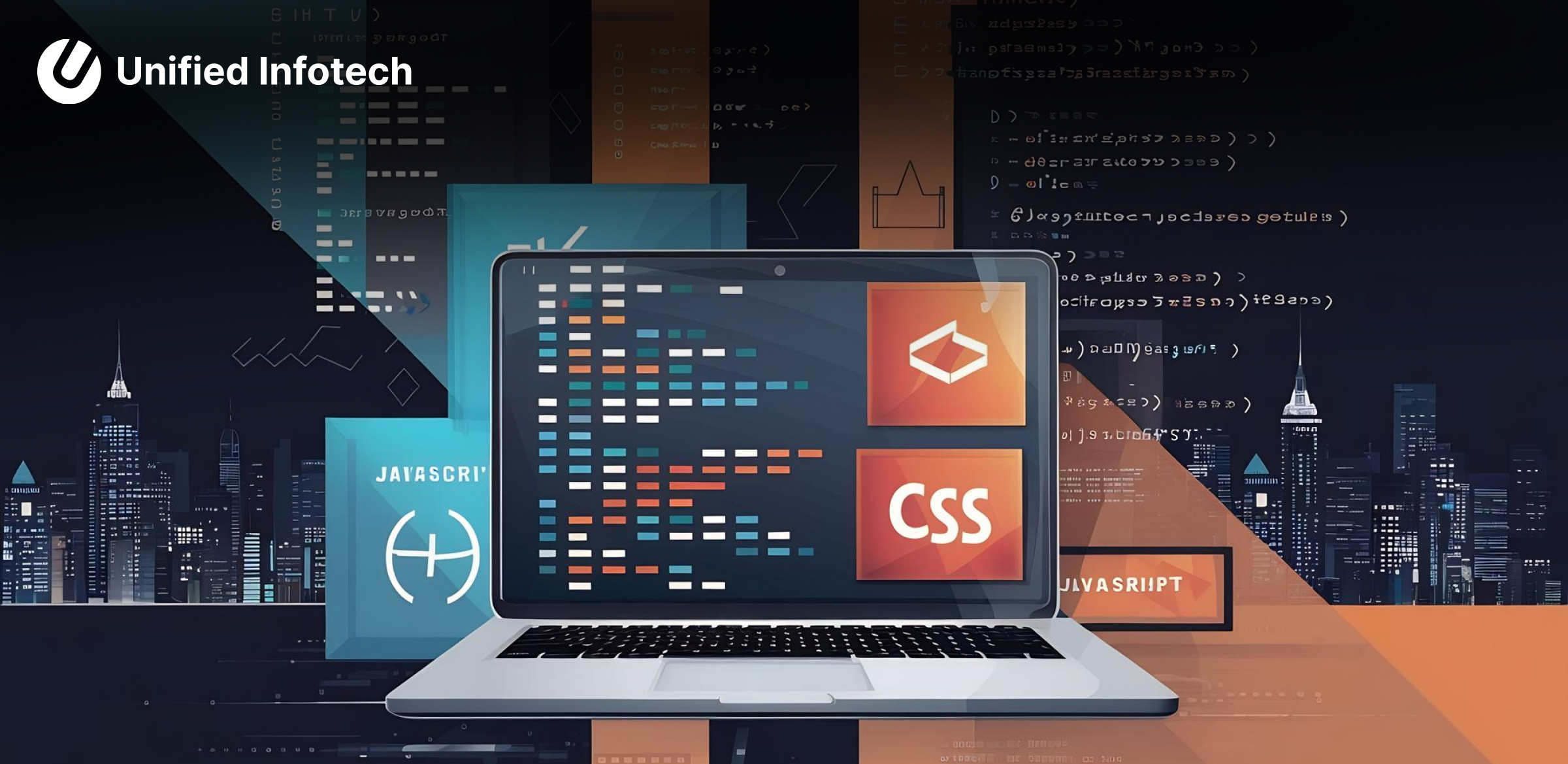
JavaScript remains the dominant language for frontend development in 2026. React, Vue.js, and Angular are the three leading frameworks, each with distinct advantages. React, maintained by Meta, offers component-based architecture and exceptional flexibility. It dominates the market with the largest ecosystem and community support, making it ideal for complex applications requiring frequent updates.
Vue.js provides a gentler learning curve and intuitive syntax, making it perfect for developers transitioning from traditional web development. It excels at rapid prototyping and smaller to medium-sized projects. Angular, developed by Google, offers a complete framework with built-in tools for routing, HTTP clients, and form management. It suits enterprise applications requiring robust structure and comprehensive features.
Next.js and Nuxt.js have gained prominence as meta-frameworks built on React and Vue respectively. They simplify server-side rendering, static generation, and deployment. Svelte represents an emerging alternative with excellent performance characteristics. Choosing between these depends on project scope, team expertise, and specific requirements.
Backend Technology Trends
Backend development in 2026 continues evolving with multiple robust options. Node.js with Express or Fastify remains popular for JavaScript-heavy teams maintaining consistency across the stack. Python frameworks like Django and Flask offer rapid development capabilities and extensive libraries. Go provides excellent performance for microservices and concurrent operations. Java continues serving enterprise applications requiring scalability and reliability.
Serverless architecture and edge computing are reshaping backend development. AWS Lambda, Google Cloud Functions, and Cloudflare Workers enable developers to focus on code without managing infrastructure. RESTful APIs remain standard, though GraphQL adoption continues growing for its efficiency and flexibility in data fetching.
How to Choose a Tech Stack for Startups
Startups face unique constraints that differ from established enterprises. Speed to market, budget limitations, and lean teams require strategic tech stack decisions. The primary consideration is developer productivity—frameworks and languages allowing rapid development reduce time-to-market. JavaScript-based full-stack solutions like MERN (MongoDB, Express, React, Node.js) or MEAN (MongoDB, Express, Angular, Node.js) enable small teams to handle both frontend and backend.
Team expertise should heavily influence your selection. Choosing technologies your team knows well accelerates development and reduces learning curves. However, hiring considerations matter—popular technologies attract more talented developers. Community support ensures you can find solutions to problems and hire developers familiar with your stack.
Cost considerations include infrastructure expenses and development time. Startups should evaluate cloud platforms offering free tiers or startup credits. PostgreSQL, MySQL, and MongoDB provide excellent database options with minimal licensing costs. Open-source frameworks eliminate licensing fees while providing community-driven improvements.
Scalability should remain in consideration despite startup stage. Choose technologies that grow with your business rather than requiring complete rewrites. Microservices architecture, while adding complexity, offers flexibility for future scaling. However, monolithic architectures might better suit early-stage startups focusing on rapid feature development.
Best Web Development Stack 2026 Recommendations
For startups prioritizing rapid development, the MERN stack combines React’s component-based approach with Node.js’s JavaScript ecosystem. MongoDB’s flexible schema accommodates evolving requirements during early stages. This stack attracts developers and scales effectively as products grow.
Enterprise applications benefit from Java with Spring Boot, PostgreSQL, and React. This combination provides stability, security, and performance crucial for mission-critical systems. The mature ecosystem offers extensive libraries and frameworks addressing complex requirements.
Full-stack frameworks like Next.js with Prisma and PostgreSQL streamline development by reducing context switching. These modern solutions provide excellent developer experience while maintaining production-ready performance. TypeScript adoption across stacks improves code quality and developer confidence.
Performance and Future-Proofing
Selecting a tech stack in 2026 requires considering future trends. TypeScript adoption continues expanding across JavaScript frameworks, improving code maintainability. WebAssembly opens possibilities for performance-critical frontend applications. Progressive Web App technologies blur lines between web and native applications.
Focus on frameworks with active development and strong community backing. Technologies backed by major companies or thriving open-source communities offer better long-term viability. Evaluate documentation quality, available learning resources, and hiring pool size before committing.
Conclusion
Choosing the ultimate tech stack balances multiple considerations including team expertise, project requirements, scalability needs, and business constraints. Understanding the difference between frontend and backend informs better decision-making. For startups, JavaScript frameworks comparison and lean architectures enable competitive advantage. The best web development stack 2026 prioritizes developer productivity, community support, and growth potential. Evaluate your specific needs rather than following trends blindly, and remember that the best stack is the one your team can execute effectively and maintain long-term.
To expand your technical knowledge and master these architectures, explore the advanced development guides available at Congreso de Webmasters
. Additionally, you can stay updated on broader industry infrastructure standards by checking the official documentation and developer insights on MDN Web Docs.
Leave a Reply