SQL vs NoSQL: Choosing and Optimizing the Right Database for Your App
Understanding the Fundamental Difference Between SQL and NoSQL
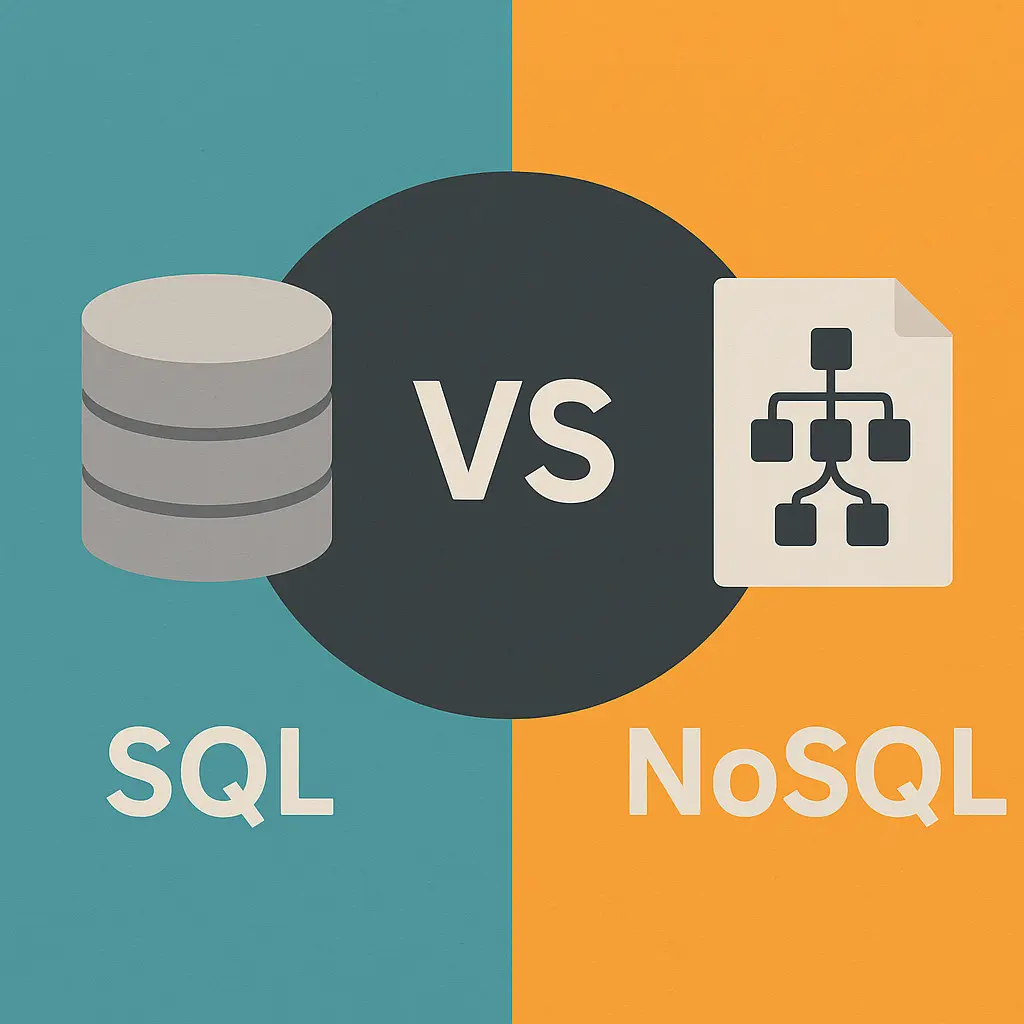
When building web applications, selecting the right database is one of the most critical decisions you’ll make. The primary choice often comes down to SQL versus NoSQL databases, each with distinct advantages and use cases. SQL databases, also known as relational databases, organize data into structured tables with predefined schemas. NoSQL databases, conversely, offer flexible schema designs and store data in various formats including documents, key-value pairs, and graphs. Understanding these foundational differences between SQL and NoSQL is essential for making an informed decision that aligns with your application’s requirements.
Key Characteristics of SQL Databases
SQL databases maintain data integrity through ACID compliance—Atomicity, Consistency, Isolation, and Durability. This means transactions are reliable and data remains consistent across operations. PostgreSQL stands as one of the most robust SQL options available today, offering advanced features like JSON support, full-text search, and excellent scalability. SQL databases excel in scenarios requiring complex queries, data relationships, and strict consistency guarantees. They’re ideal for financial systems, healthcare applications, and enterprise resource planning platforms where data accuracy is non-negotiable. However, SQL databases may struggle with horizontal scaling and rapid schema changes, which can be limitations in fast-growing applications.
Exploring NoSQL Database Advantages
NoSQL databases prioritize flexibility and scalability, making them perfect for applications handling massive data volumes and varied data structures. MongoDB, a leading document-based NoSQL solution, allows developers to store data without predefined schemas, enabling rapid iteration and development cycles. NoSQL databases scale horizontally across multiple servers, distributing data efficiently and handling high-traffic scenarios. This flexibility makes them particularly valuable for content management systems, real-time analytics, and applications requiring rapid feature development. The trade-off, however, comes in the form of eventual consistency rather than immediate consistency, which may not suit applications where instantaneous data accuracy is critical.
PostgreSQL vs MongoDB: A Detailed Comparison
When comparing PostgreSQL vs MongoDB, several factors deserve consideration. PostgreSQL provides powerful relational capabilities, supporting complex joins, transactions, and strict data validation. It’s open-source, mature, and backed by a strong community. MongoDB offers schema flexibility, making it easier to adapt to changing requirements without complex migrations. PostgreSQL excels with structured data and complex relationships, while MongoDB suits semi-structured or unstructured data. For queries involving multiple related entities, PostgreSQL typically performs better due to its join operations. MongoDB shines when handling nested documents and rapid prototyping. Cost-wise, both are open-source, though operational expenses may vary based on your infrastructure and scaling needs.
How to Choose the Right Website Database for Your App
Selecting the appropriate database requires analyzing several critical factors. First, evaluate your data structure—if your data is highly relational with complex connections, SQL databases like PostgreSQL are ideal. For flexible, document-oriented data, NoSQL solutions like MongoDB work better. Consider your scalability needs; NoSQL databases typically scale horizontally more seamlessly, while SQL databases traditionally scale vertically, though modern solutions blur these lines. Assess consistency requirements—financial applications demand ACID compliance, while social media platforms often tolerate eventual consistency. Examine your team’s expertise; choosing a database your developers understand well significantly impacts development speed and maintenance. Finally, consider your query patterns and the types of operations you’ll perform most frequently.
Database Optimization for Webmasters and Developers
Once you’ve selected your database, optimization becomes paramount for application performance. For SQL databases, create appropriate indexes on frequently queried columns, normalize your schema to eliminate redundancy, and use query analysis tools to identify bottlenecks. Implement connection pooling to manage database connections efficiently. Regularly analyze query execution plans and refactor slow queries. For NoSQL databases, optimize by carefully designing your document structure to minimize lookups, implement appropriate indexing strategies, and monitor query performance. Both database types benefit from caching layers like Redis, which significantly reduce database load. Implement proper data archiving strategies to maintain performance with large datasets. Monitor database metrics continuously, including query response times, CPU usage, and disk I/O, to identify optimization opportunities proactively.
Advanced Optimization Strategies for Both Database Types
Database optimization extends beyond basic indexing. Implement sharding strategies for large datasets to distribute load across multiple database instances. Use read replicas to balance query loads across multiple servers, improving response times without overburdening primary databases. Consider materialized views in SQL to pre-compute complex queries, reducing computation time for frequently accessed data. Implement proper backup and recovery strategies to ensure business continuity. Monitor slow query logs regularly and establish performance baselines. For applications with hybrid needs, consider polyglot persistence—using both SQL and NoSQL databases for different aspects of your application. Conduct regular performance audits and load testing to identify bottlenecks before they impact users.
Making Your Final Database Decision
The choice between SQL and NoSQL isn’t binary; it depends entirely on your application’s specific requirements, data characteristics, and growth projections. Start by clearly defining your data model and access patterns. Prototype with both technologies if possible, measuring performance and development velocity. Consider future scalability—what works today might create bottlenecks tomorrow. Evaluate vendor support and community resources. Remember that database selection impacts your application’s architecture significantly, so invest time in thorough research and testing. Whether you choose PostgreSQL for its relational strength or MongoDB for its flexibility, remember that proper optimization is key to achieving excellent performance, and regularly reassess your choice as your application evolves.
To complement your knowledge of infrastructure setup and database management, master the workflows required to keep your codebase organized by reading our Git Version Control Tutorial Beginner’s Guide
. Additionally, for official documentation and structural benchmarks regarding SQL architecture, consult the resources provided directly by the PostgreSQL Global Development Group.
Leave a Reply