
Tech SEO & User Experience: How UX Impacts Your Search Rankings
Understanding the Connection Between UX and SEO
User experience and search engine optimization are no longer separate disciplines—they are fundamentally interconnected. Search engines like Google have evolved to prioritize websites that deliver exceptional user experiences alongside relevant content. This shift represents a paradigm change in how websites are ranked and discovered online. When users interact positively with your site, they send positive signals to search algorithms, which directly influence your visibility in search results.
The relationship between UX and SEO is bidirectional. While good UX design improves user satisfaction and engagement, it simultaneously strengthens your technical SEO foundation. Websites designed with both users and search engines in mind tend to rank higher, attract more qualified traffic, and maintain better engagement metrics. Understanding this synergy is crucial for modern digital marketers and web developers.
Core Web Vitals: The SEO Metrics That Matter Most
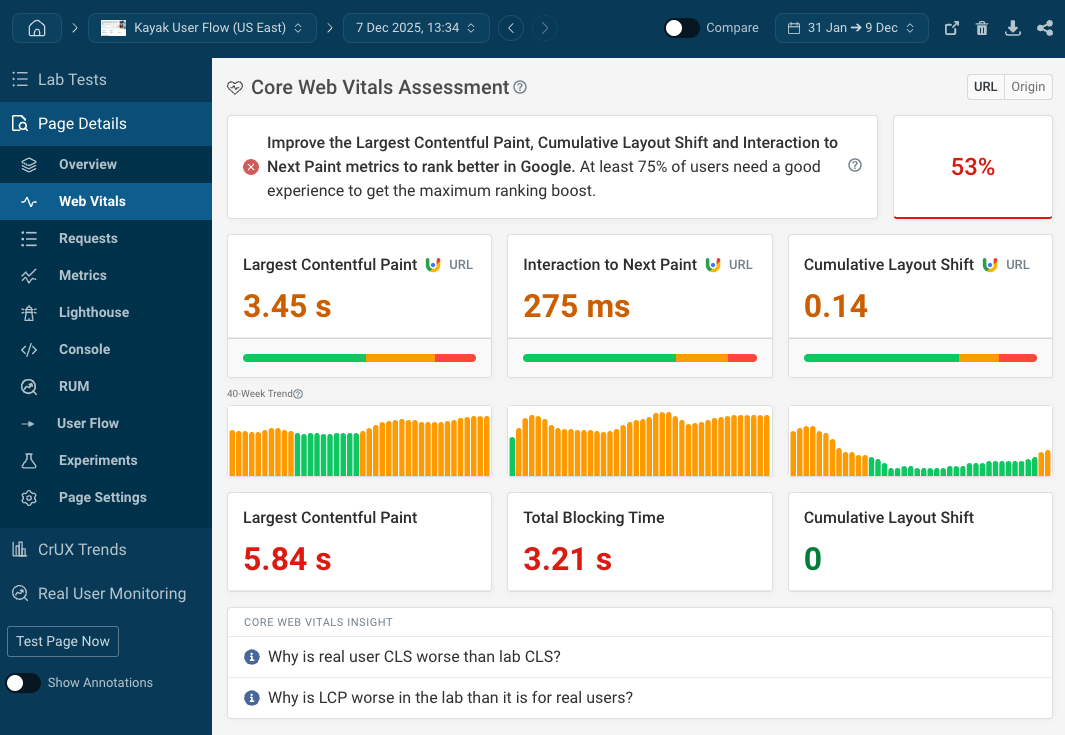
Core Web Vitals are a set of performance metrics developed by Google to measure real-world user experience. These metrics include Largest Contentful Paint (LCP), First Input Delay (FID), and Cumulative Layout Shift (CLS). Google officially confirmed that Core Web Vitals are ranking factors, making them essential for SEO success.
Largest Contentful Paint measures loading performance and targets when the largest content element becomes visible to users. A good LCP score is 2.5 seconds or less. Slow loading times frustrate users and lead to higher bounce rates, negatively impacting your search rankings. Optimizing images, leveraging browser caching, and minimizing server response times are effective strategies for improving LCP scores.
First Input Delay measures interactivity by tracking the time between a user’s first interaction and the browser’s response. An ideal FID score is under 100 milliseconds. Poor FID scores indicate that JavaScript is blocking user interactions, creating a sluggish experience that damages both user satisfaction and SEO performance. Code splitting and deferring non-critical JavaScript can significantly improve FID.
Cumulative Layout Shift quantifies visual stability and unexpected layout changes during page load. A CLS score below 0.1 is considered good. Elements shifting unexpectedly frustrate users and increase accidental clicks. Reserving space for ads, images, and embeds prevents layout instability and improves overall user experience.
User Experience Impact on Rankings and Traffic
User experience directly influences your search rankings through several quantifiable metrics. Google measures how users interact with your site, including click-through rates, dwell time, bounce rates, and return visits. Websites with better UX typically see improvements across these metrics, which signals to search algorithms that your content is valuable and relevant.
Bounce rate is particularly significant—if users leave your site immediately without engaging with content, search engines interpret this as a negative signal. Poor navigation, slow loading speeds, intrusive ads, and cluttered layouts contribute to high bounce rates. Conversely, intuitive navigation, fast performance, and clean design encourage users to explore your site, increasing dwell time and reducing bounce rates.
Mobile usability is increasingly critical for rankings. With over half of web traffic coming from mobile devices, Google prioritizes mobile-friendly websites in its ranking algorithms. Responsive design, touch-friendly buttons, readable text without zooming, and fast mobile performance are essential UX elements that directly impact your search visibility. Websites that fail to deliver quality mobile experiences are penalized in rankings.
Website Design Best Practices for Search Engines
Effective website design balances aesthetics with technical optimization. Clear information architecture helps both users and search engine crawlers navigate your site efficiently. A logical hierarchy with descriptive headings, intuitive menus, and strategic internal linking improves user navigation and helps search engines understand your content structure.
Page speed optimization is non-negotiable. Compress images without sacrificing quality, minimize CSS and JavaScript, implement lazy loading for images and videos, and consider using a Content Delivery Network (CDN) to serve content from servers closer to your users. Every second of delay increases bounce rates exponentially, directly impacting both user experience and SEO performance.
Mobile-first design is now the standard. Design your website for mobile devices first, then enhance the experience for larger screens. This approach ensures your site performs excellently on smartphones and tablets, where most users access the web. Implement responsive typography, flexible layouts, and touch-optimized interactions.
Content readability significantly impacts user experience. Use clear, descriptive headings, short paragraphs, bullet points, and whitespace to make content scannable. Users often skim web pages rather than read every word, so visual hierarchy and formatting improve both comprehension and engagement.
Technical SEO Elements That Enhance UX
Structured data markup helps search engines understand your content while providing richer snippets in search results. Schema markup for articles, products, reviews, and events improves how your content appears in search results, increasing click-through rates and driving more qualified traffic.
HTTPS encryption is both a ranking factor and a security feature that builds user trust. The padlock icon in browsers reassures users that their data is secure, while search engines reward encrypted websites with ranking boosts. Implementing SSL certificates is essential for both security and SEO.
Clean, descriptive URLs benefit both users and search engines. URLs should be concise, contain relevant keywords, and accurately describe page content. Avoid lengthy URLs with session IDs or excessive parameters; instead, use hyphens to separate words and make URLs human-readable.
Measuring and Monitoring UX Metrics
Use Google PageSpeed Insights to analyze Core Web Vitals and receive optimization recommendations. Google Search Console provides real-world Core Web Vitals data from your actual users, not just lab data. Monitor these metrics regularly and address issues as they arise.
Implement heat mapping tools and session recording software to understand how users interact with your website. These insights reveal usability issues that may not be obvious from analytics data alone. Identify where users click, scroll, and drop off to optimize your design accordingly.
A/B testing different design elements, layouts, and calls-to-action helps you data-driven optimization. Test one element at a time, measure the impact on both user behavior and search performance, and implement winning variations permanently.
Conclusion
The future of SEO is inextricably linked to user experience. Websites that prioritize Core Web Vitals, responsive design, fast performance, and intuitive navigation will outrank competitors in search results. By implementing these UX and SEO best practices, you create a virtuous cycle where improved user experience leads to better search rankings, which generates more traffic and further strengthens your online presence. Start auditing your website today against these standards and commit to continuous improvement in both UX and technical SEO.
Leave a Reply