
Dedicated IP vs Shared IP Hosting: Everything You Need to Know
What’s the Difference Between Dedicated and Shared IP Hosting?
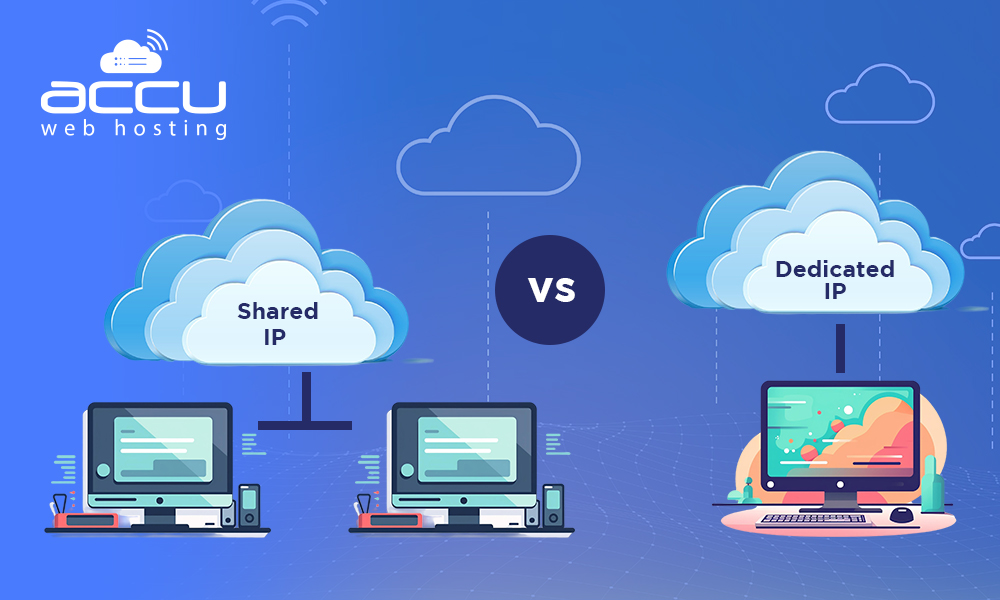
When you’re choosing a web hosting plan, one decision that often comes up is whether to go with a dedicated IP address or stick with a shared IP. Let me break this down in simple terms. A shared IP means your website lives on a server alongside hundreds of other websites. They all use the same IP address to communicate with the internet. A dedicated IP, on the other hand, is like having your own exclusive phone number that only your website uses. It’s assigned solely to your account and no one else can access or use it. This fundamental difference impacts several aspects of your online presence, from security to email deliverability.
Understanding SSL Certificates and Dedicated IPs
Here’s something important: SSL certificates work with both dedicated and shared IPs these days. Historically, you absolutely needed a dedicated IP to install an SSL certificate. But thanks to SNI (Server Name Indication) technology, that’s no longer true. Shared hosting providers can now host multiple SSL certificates on a single IP address. However, a dedicated IP still offers benefits for SSL. When you have a dedicated IP, your SSL certificate sits exclusively on your server, eliminating any potential conflicts with other websites. This is particularly valuable if you’re running an e-commerce store or collecting sensitive customer data. You get more control over your security setup and don’t have to worry about certificate compatibility issues with neighboring websites.
Does Dedicated IP Affect SEO Performance?
This is a question I hear frequently, and the answer might surprise you. Google has confirmed that IP addresses themselves don’t directly impact your SEO rankings. Whether you use a shared or dedicated IP won’t make or break your search engine visibility. What matters to Google is your content quality, backlinks, user experience, and technical SEO factors like page speed and mobile responsiveness. That said, a dedicated IP can indirectly help your SEO efforts. If other websites on your shared IP are engaging in black-hat SEO or spammy practices, they could potentially get penalized, and you might get caught in the crossfire. With a dedicated IP, you eliminate this risk entirely. You also get better control over your server environment, which helps you optimize performance and security—both factors that do influence SEO.
Email Deliverability: A Major Advantage of Dedicated IPs
Now here’s where dedicated IPs truly shine. Email deliverability is one of the most compelling reasons to invest in a dedicated IP address. When you send emails from a shared IP, your sender reputation is tied to that IP’s overall reputation. If other users on that shared IP are sending spam or engaging in poor email practices, email providers like Gmail and Outlook might flag your legitimate emails as spam. This is incredibly frustrating and directly impacts your business. With a dedicated IP, you build your own sender reputation from scratch. You control what gets sent from that IP, so you can maintain high deliverability rates. Your emails go straight to inboxes instead of spam folders. If you’re running email marketing campaigns, newsletters, or transactional emails, a dedicated IP is practically essential. You’ll see dramatically better open rates and click-through rates once you establish a strong sender reputation with your dedicated IP.
Benefits of Choosing Dedicated IP Hosting
Beyond the SSL and email benefits, dedicated IPs offer several other advantages worth considering. First, you get improved security. Since no other websites share your IP, you’re not affected by their vulnerabilities or security breaches. You also have complete control over server configurations and resources, meaning you won’t experience slowdowns caused by other high-traffic websites. Dedicated IPs are beneficial for businesses running mission-critical applications that demand consistent performance. You’ll also have an easier time managing DNS records and implementing advanced security protocols. For businesses concerned about brand reputation and control, a dedicated IP provides peace of mind that you’re not associated with potentially problematic neighbors on a shared server.
How to Get a Dedicated IP Address
Getting a dedicated IP is straightforward. Most hosting providers offer it as an add-on service to existing plans. Typically, you’ll log into your hosting control panel and navigate to the IP management section. From there, you can request a dedicated IP address, usually for a small monthly fee—typically between $2 to $10 depending on your provider. Some premium hosting plans include dedicated IPs automatically. If you already have shared hosting, you can usually upgrade to a dedicated IP without changing your entire plan. The process takes just a few minutes, though it may require a server restart. Once activated, your hosting provider will assign you a unique IP address that’s exclusively yours. Make sure to update your domain’s DNS records if necessary, though most providers handle this automatically. If you’re using an SSL certificate, you’ll want to rebind it to your new dedicated IP to maximize security benefits.
When Do You Actually Need a Dedicated IP?
Be honest with yourself about whether you truly need one. If you’re running a small blog or personal website, shared hosting is perfectly fine. You’ll save money and the performance difference won’t matter. But if you’re sending bulk emails, running an e-commerce business, or handling customer data, a dedicated IP is a smart investment. Businesses targeting specific geographic locations or those requiring HIPAA compliance should also consider dedicated IPs. The cost is minimal compared to the benefits you’ll gain in email deliverability and security.
Final Thoughts on Dedicated vs Shared IP
The choice between dedicated and shared IP hosting ultimately depends on your specific needs and budget. Both have legitimate use cases. Shared IP hosting is cost-effective and suitable for most small websites. Dedicated IP hosting provides better email deliverability, enhanced security, and peace of mind for growing businesses. Consider your growth trajectory and current demands when making this decision. Whatever you choose, focus on other important factors like uptime reliability, customer support, and server performance to ensure your website thrives online.
Internal Link: https://congresodewebmasters.com/reseller-hosting-vs-shared-hosting-start-web-hosting-business/
External Link: https://congresodewebmasters.com/dedicated-ip-vs-shared-ip-hosting/
Leave a Reply