
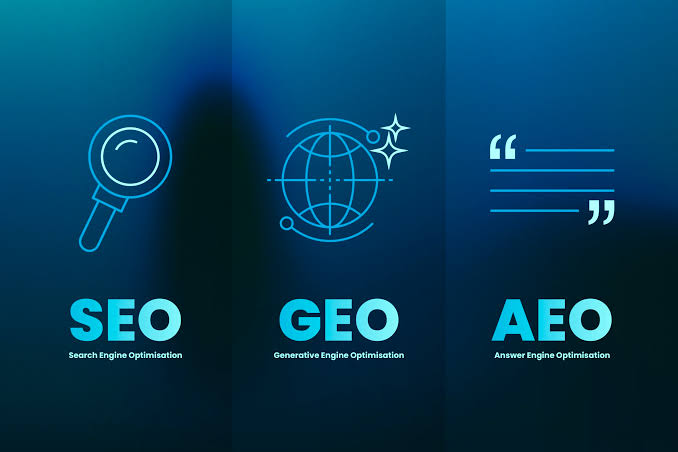
The search landscape is evolving faster than ever.
As AI becomes more and more important to how search engines work, AI search optimization 2026 has gone from being something that webmasters and SEO professionals thought about in the future to something that they need to think about right away. Google’s latest algorithm updates emphasize AI-first indexing, machine learning signals, and semantic understanding—fundamentally changing how we approach SEO strategy.
It’s already too late for your website if you’re still focusing on simple technical SEO and phrase matching. This complete guide tells you everything you need to know about AI search optimization 2026, such as how to use geo strategies 2026 to get the most out of your optimization efforts.
Understanding AI-Driven Search in 2026
Modern search engines have evolved far beyond exact keyword matching and link counting. Today, they leverage advanced neural networks and natural language processing to comprehend content intent, user context, and semantic relationships.
Google’s transition to an AI-driven search ecosystem centers on four major pillars:
-
Entity Recognition: Algorithms identify distinct concepts, people, and places, mapped within a network of interconnected relationships.
-
Contextual Understanding: AI interprets the actual meaning and nuance of content, rather than simply scanning for specific words.
-
Intent Prediction: Machine learning models decipher what users truly want to find, going beyond the literal words they type.
-
Multimodal Analysis: Search systems evaluate text, images, videos, and structured data simultaneously to deliver the most comprehensive results.
For SEO professionals, the foundational principles of marketing—high-quality content, excellent user experience, and strong relevance—remain as crucial as ever. The key shift is that these fundamentals must now be executed through an AI-first lens.
Best Generative Engine Optimization Strategies for 2026
Generative AI is reshaping search results through AI overviews and AI-generated snippets. To rank in these new SERP features, you need a different approach than traditional organic ranking.
1. Structure Content for AI Comprehension
AI search engines parse content differently than human readers. Focus on:
– Clear Topic Clustering: Organize related concepts around pillar content – Structured Data Markup: Use Schema.org markup extensively (FAQ, HowTo, Article, Product) – Semantic HTML: Proper heading hierarchy and semantic tags help AI understand content relationships – Natural Language: Write as humans speak; conversational content performs better with generative engines
2. Answer Specific Questions Comprehensively
Generative engines are great at getting exact answers. Write things that directly address:
– Questions that people in your niche often ask – Queries that compare things (“X vs. Y”) – How-to and tutorial content – Pieces that define and explain things
FAQs should be on service pages, blog posts, and pages about products. This gives AI answers that are clear and well-organized, which it can use to build overviews.
3. Optimize for Featured Snippet Positions
Featured snippets remain crucial in 2026 because they feed AI overviews. Structure content with:
– Concise paragraph answers (40-60 words) – Bullet-point lists for comparison – Tables for data comparisons – Numbered steps for processes
Can SEO and Geo Strategies Work Together for Better Results?
Absolutely. In fact, combining AI search optimization 2026 with geo strategies 2026 creates a powerful competitive advantage. Here’s why this integration matters:
Local AI Search Optimization
AI search engines increasingly consider geographical context:
– Location-Based Entity Recognition: AI understands that “best restaurants near me” has location intent – Local Knowledge Graphs: Google’s Knowledge Graph now includes hyperlocal business data – Geofencing Signals: AI factors in user location history and geographic relevance
Implementing Combined SEO + Geo Strategies
1. Localized Content with AI-First Structure
Create location-specific content that’s optimized for both AI and geo-targeting:
City-specific guides with schema markup – Local expert quotes and sourcing – Geo-tagged images with proper alt text – Location-based FAQ sections “`
2. Multi-Location Schema Implementation
If you operate in multiple locations, implement:
– Organization schema with all location addresses – LocalBusiness schema for each location – AggregateOffer schema for service areas – GeoCoordinates for precise location data
3. Geo-Specific Backlink Strategy
AI algorithms now consider geographic relevance of backlinks:
Earn links from local news publications – Partner with regional industry associations – Get mentioned in local directories (beyond just Google Business Profile) – Develop relationships with location-specific influencers
This integrated approach means a dental practice in Austin doesn’t just rank for “dentist,” but “best dentist in Austin” with proper AI understanding of local relevance.
Technical SEO Foundations for AI Search Engines
As we focus on AI search optimization 2026, don’t neglect technical foundations:
Core Web Vitals Remain Critical
AI search engines reward sites with excellent user experience:
– Largest Contentful Paint (LCP): Keep under 2.5 seconds – Cumulative Layout Shift (CLS): Maintain below 0.1 – First Input Delay (FID): Target under 100 milliseconds
Mobile-First Indexing Is Non-Negotiable
Google indexes your mobile version first. Ensure:
– Fast mobile load times – Responsive design without layout shifts – Touch-friendly navigation – Mobile-optimized images
Site Architecture for AI Crawlability
AI crawlers need clear site structure:
– Logical URL hierarchy (/category/subcategory/page) – Internal linking strategy connecting related concepts – XML sitemaps with priority annotations – Breadcrumb markup for navigation clarity
Domain Investing in the AI Era
For domain investors, AI search optimization trends create new opportunities:
High-Value Domain Characteristics for 2026:
– Semantic Clarity: Domains with clear topical meaning (not cryptic abbreviations) – Geographic Specificity: Location-based domains see renewed value with geo strategies – Brandability: Short, memorable domains that AI algorithms can easily identify – Niche Authority: Domains targeting specific entities and concepts
Example: A domain like “austindentalcare.com” has more AI-search value than a generic domain, as it clearly signals topic, location, and entity type to search algorithms.
Avoiding AI Search Penalties in 2026
As AI search optimization becomes standard, Google has updated penalty frameworks:
Common 2026 Penalties:
– AI-Generated Content Without Value: Low-quality, purely AI-generated content without human expertise – Geo-Spoofing: False location claims or misleading geographic targeting – Entity Mismatch: Content that contradicts established entity information in Knowledge Graphs – Outdated Information: Stale content that contradicts current facts
To avoid penalties, maintain editorial standards, fact-check rigorously, and update content regularly.
Looking at Google Easter Eggs 2026
While Google Easter eggs 2026 remain largely hidden, SEO professionals have noticed AI-related features in search labs:
– Perspective API integration: AI now better identifies credible sources – Real-time fact-checking: AI verifies claims against authoritative sources – Authority Scoring: New mechanisms identify topical authority beyond traditional metrics
Understanding these hidden features helps you optimize proactively rather than reactively.
Actionable Implementation Roadmap
Month 1-2: Audit & Strategy – Conduct AI-readiness audit of existing content – Map content to entity clusters – Identify geo-expansion opportunities
Month 3-4: Content Optimization – Restructure top-performing content for AI comprehension – Implement comprehensive schema markup – Enhance local content with geo strategies
Month 5-6: Technical Refinement – Optimize Core Web Vitals – Implement internal linking strategy – Test structured data with Google’s Rich Results Test
Ongoing: Monitoring & Iteration – Track AI overview appearances in SERPs – Monitor geo-specific rankings – Update content based on emerging topical authority gaps
Conclusion
AI search optimization 2026 isn’t a separate discipline—it’s the evolution of SEO itself. By combining proven marketing fundamentals with AI-first strategies and geo strategies 2026, you’ll create a resilient, future-proof digital presence.
The webmasters and SEO professionals who master this integration will dominate search results in 2026 and beyond. Start implementing these strategies today, test rigorously, and iterate based on performance data.
For deeper insights into SEO fundamentals that underpin AI optimization, explore our comprehensive guide to modern SEO best practices.
Additionally, Moz’s guide to AI and SEO provides excellent complementary insights on this evolving landscape.
Leave a Reply