
The Ultimate Guide to Web Hosting Types: How to Choose the Best Infrastructure
Understanding Different Types of Web Hosting
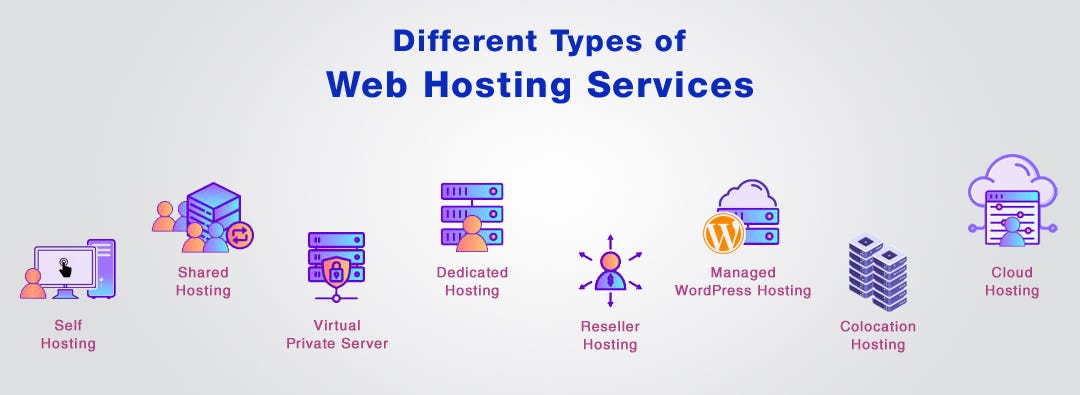
Selecting the right web hosting is one of the most critical decisions for your online presence. Your hosting choice directly impacts website performance, security, scalability, and overall user experience. Whether you’re launching a startup or expanding an existing business, understanding the different types of web hosting available is essential to making an informed decision that aligns with your needs and budget.
Web hosting providers offer various solutions designed to accommodate different business requirements and technical expertise levels. From simple shared environments to powerful dedicated servers, each hosting type serves a specific purpose in the digital ecosystem. This guide will help you navigate through the options and find the perfect fit for your website.
Shared Hosting: The Budget-Friendly Starting Point
Shared hosting is the most economical web hosting option available today. Multiple websites share resources on a single server, including CPU, memory, and storage. This shared infrastructure allows hosting providers to offer incredibly affordable pricing, making it the ideal choice for beginners, small businesses, and personal blogs.
The main advantages of shared hosting include low cost, ease of use, and minimal technical maintenance requirements. Most shared hosting plans come with one-click installation for popular platforms like WordPress, making website setup straightforward for non-technical users. However, shared hosting does have limitations. If other websites on your server experience traffic spikes or security issues, your website’s performance may suffer. Additionally, shared hosting offers limited customization options and scalability constraints.
Shared hosting works best for websites with moderate traffic, basic functionality requirements, and limited budgets. It’s perfect for startups testing their business ideas without significant financial investment.
VPS Hosting: The Middle Ground Solution
Virtual Private Server (VPS) hosting bridges the gap between shared and dedicated hosting. A physical server is divided into multiple virtual servers using virtualization technology, giving each user dedicated resources and isolated environments. This solution provides significantly better performance and control than shared hosting while remaining more affordable than dedicated servers.
With VPS hosting, you get guaranteed resources, root access, and the ability to install custom software and applications. This flexibility makes VPS ideal for growing businesses that need more control over their hosting environment. You can scale resources up or down based on demand, providing better cost efficiency than dedicated hosting.
However, VPS hosting requires more technical knowledge than shared hosting. You’ll be responsible for server management, security updates, and software maintenance unless you choose a managed VPS plan. VPS hosting suits businesses with moderate to high traffic, e-commerce sites, and developers who need customization capabilities.
Dedicated Hosting: Maximum Power and Control
Dedicated hosting provides an entire physical server exclusively for your website. You have complete control over hardware, operating system, and software configurations. This option delivers maximum performance, security, and reliability for mission-critical websites.
Dedicated hosting is ideal for large-scale operations, high-traffic websites, and applications requiring specific security or compliance requirements. The performance benefits are substantial, with no resource sharing and optimized server configurations tailored to your needs. However, dedicated hosting is the most expensive option and requires significant technical expertise or managed services support.
This hosting type is best suited for established companies, enterprise-level operations, and websites generating substantial traffic and revenue.
Cloud Hosting: Scalability and Flexibility
Cloud hosting uses distributed resources across multiple servers, providing exceptional scalability and redundancy. You pay only for the resources you use, making it cost-effective for websites with variable traffic patterns. Cloud hosting automatically handles traffic spikes without performance degradation.
This solution combines flexibility, reliability, and scalability. It’s particularly beneficial for growing startups experiencing unpredictable traffic growth and businesses requiring high availability and disaster recovery capabilities.
How to Choose a Hosting Provider
Selecting the right hosting provider requires evaluating several critical factors. First, assess your website’s requirements, including expected traffic volume, storage needs, and required features. Consider your technical expertise and whether you need managed services support.
Evaluate reliability and uptime guarantees, aiming for providers offering 99.9% uptime or higher. Review customer support quality through various channels like live chat, email, and phone support. Compare pricing structures, ensuring you understand renewal rates and any hidden fees.
Security features are paramount. Verify SSL certificates, automatic backups, and malware protection. Finally, read independent reviews and check customer testimonials to gauge overall satisfaction and reliability.
Best Web Hosting for Startups
Startups typically benefit most from shared or VPS hosting initially. Shared hosting offers minimal financial commitment and allows you to validate your business model with low overhead. As your startup grows and traffic increases, VPS hosting provides the scalability and control needed for expansion.
Look for startup-friendly hosting providers offering flexible plans, easy upgrades, and excellent customer support. Money-back guarantees are valuable for risk-free trials. Managed solutions that handle technical aspects allow you to focus on core business activities.
The best choice depends on your specific startup needs, budget constraints, and growth projections. Many successful startups begin with shared hosting and upgrade to VPS or dedicated hosting as they scale.
Shared vs VPS vs Dedicated Hosting: Quick Comparison
Shared hosting offers the lowest cost with easy setup but limited resources and customization. VPS hosting provides balanced performance, control, and affordability with moderate technical requirements. Dedicated hosting delivers maximum performance and control at premium pricing with high technical demands.
Your website’s growth trajectory should guide your hosting choice. Begin with shared hosting, transition to VPS when traffic increases, and upgrade to dedicated hosting or cloud solutions as your business expands.
Making Your Final Decision
Choosing the right web hosting infrastructure is a pivotal decision impacting your online success. Carefully evaluate your current needs while considering future growth potential. Don’t just focus on price—value reliability, support, security, and scalability equally. The best web hosting provider offers the right combination of performance, affordability, and support for your specific situation, enabling your website to thrive in a competitive digital landscape.
To properly power your chosen environment and ensure your backend framework integrates perfectly with your servers, it is equally important to equip yourself with the right software setups by exploring the Top Web Development Tools 2026
breakdown. Furthermore, if you are looking to deploy enterprise-grade cloud solutions or want deeper structural comparisons of cloud hosting, you can review the latest documentation provided directly by Google Cloud Compute Engine for advanced server deployments.

Leave a Reply