The Ultimate SEO Strategy Guide to Boost Your Website Organic Traffic
Understanding SEO Fundamentals
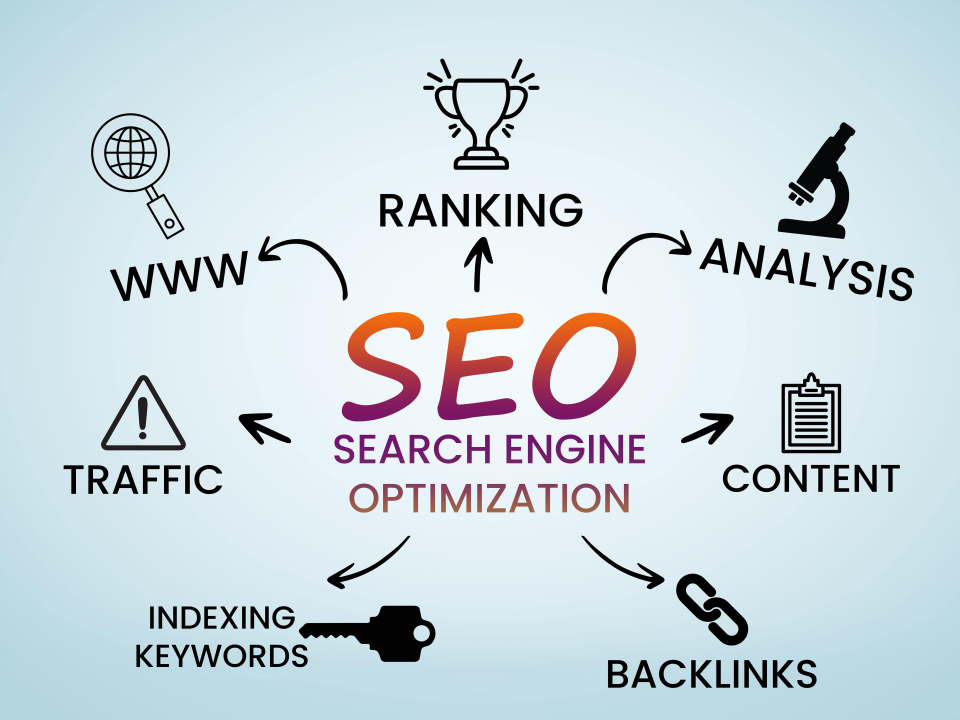
Search engine optimization has become essential for any business looking to establish a strong online presence. SEO strategies for beginners focus on understanding how search engines work and what factors influence your website’s visibility. At its core, SEO involves optimizing your website to rank higher in search engine results, making it easier for potential customers to find you organically. The foundation of effective SEO starts with recognizing that search engines prioritize websites offering valuable, relevant content that matches user intent.
Keyword Research: The Foundation of Your Strategy
Effective keyword research forms the backbone of any successful SEO campaign. Start by identifying terms your target audience uses when searching for products or services you offer. Use tools like Google Keyword Planner, Semrush, or Ahrefs to discover search volume, competition levels, and keyword difficulty. Focus on long-tail keywords, which are longer phrases with lower search volume but higher conversion intent. These keywords typically face less competition and attract users who are further along in their buying journey, making them valuable for how to increase organic traffic.
Organize your keywords by intent: informational, navigational, commercial, and transactional. This categorization helps you create targeted content that addresses specific user needs at different stages of their decision-making process.
Creating High-Quality, Relevant Content
Content remains king in the SEO world. Search engine optimization tips consistently emphasize that creating comprehensive, valuable content should be your primary focus. Your content should thoroughly address user queries and provide solutions to their problems. Focus on creating in-depth articles, guides, and resources that showcase your expertise and authority in your industry.
Structure your content logically with clear headings, subheadings, and short paragraphs for readability. Include relevant keywords naturally throughout your content without keyword stuffing, which can harm your rankings. Aim for content length between 1,500 to 3,000 words for competitive topics, as longer-form content typically performs better in search rankings.
On-Page SEO Optimization
On-page optimization involves fine-tuning elements within your website pages. Ensure your title tags are compelling and include your primary keyword within the first 60 characters. Meta descriptions should summarize your content in 150-160 characters and include a call-to-action. Use your target keyword in your H1 tag, but ensure it reads naturally for users.
Optimize your URL structure to be short, descriptive, and keyword-rich. Internal linking is crucial for SEO strategies for beginners—link to other relevant pages on your website to establish information hierarchy and distribute page authority. Include alt text for images, which helps search engines understand visual content and improves accessibility.
Technical SEO: The Hidden Powerhouse
Technical SEO ensures your website infrastructure supports search engine crawling and indexing. Website speed is critical; aim for page load times under three seconds. Use tools like Google PageSpeed Insights to identify performance bottlenecks and optimize images, enable compression, and leverage browser caching.
Ensure your website is mobile-friendly, as Google prioritizes mobile-first indexing. Implement an SSL certificate to secure your website with HTTPS. Create an XML sitemap and submit it to Google Search Console. Fix broken links and redirect old URLs to maintain link equity. These technical elements directly impact how to increase organic traffic by improving user experience and search engine accessibility.
Building Quality Backlinks
Backlinks from reputable websites signal authority and trustworthiness to search engines. Focus on earning links from high-quality, relevant sources rather than pursuing quantity. Create link-worthy content that naturally attracts backlinks, such as original research, comprehensive guides, or innovative tools.
Implement outreach strategies by contacting industry influencers and bloggers who might find your content valuable. Guest posting on established websites in your niche generates both traffic and quality backlinks. Monitor your backlink profile using SEO tools to identify opportunities and address any low-quality links that could harm your rankings.
Website Traffic Growth: Measuring Success
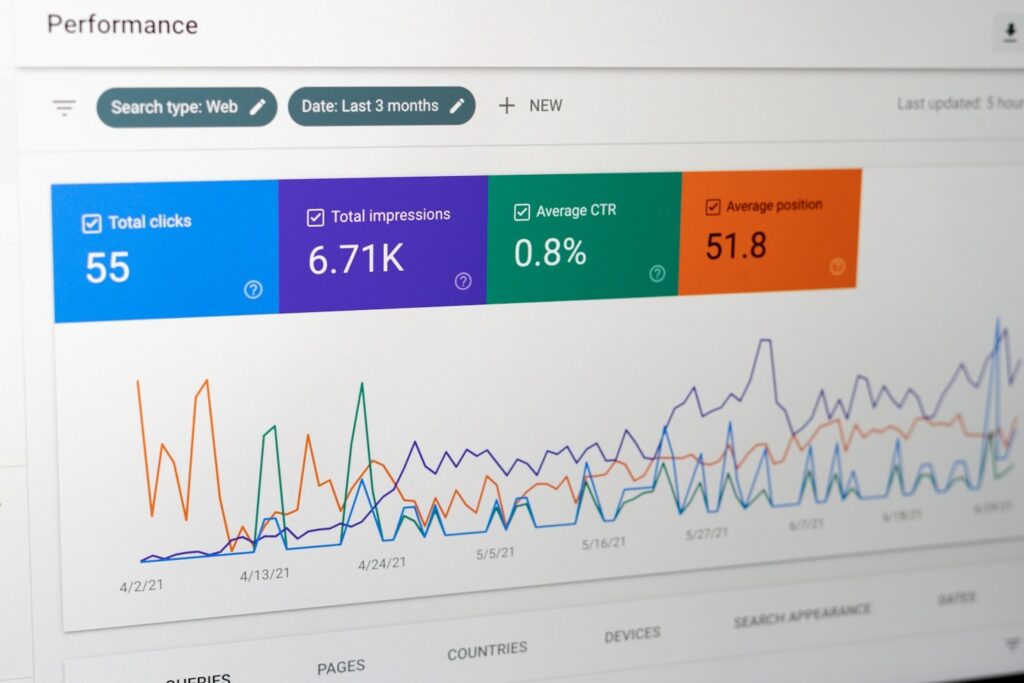
Implementing a website traffic growth guide requires continuous monitoring and analysis. Use Google Analytics to track organic traffic, user behavior, and conversion rates. Monitor keyword rankings with tools like Rank Tracker or SE Ranking. Analyze which pages drive the most traffic and conversions, and optimize underperforming pages.
Set realistic, measurable goals for your SEO efforts. Most websites see significant improvements within three to six months of consistent optimization. Track metrics like click-through rate (CTR), bounce rate, average session duration, and conversion rate to measure the true impact of your SEO strategies.
Staying Updated with Algorithm Changes
Search engine algorithms constantly evolve, making it essential to stay informed about industry changes. Follow Google’s official blog, SEO news sites, and industry experts to understand algorithm updates. Focus on creating user-centric content and following Google’s guidelines rather than chasing algorithm changes.
Implement search engine optimization tips that emphasize user experience, content quality, and technical excellence. These core principles remain consistent despite algorithm updates and provide sustainable long-term results for your website.
Conclusion
Mastering SEO strategies for beginners and advancing your approach requires patience, consistency, and continuous learning. By focusing on keyword research, content quality, technical optimization, and link building, you’ll create a solid foundation for organic growth. Remember that SEO is a long-term investment—results take time, but the sustained traffic and visibility gains make it invaluable for business success. Start implementing these strategies today and watch your website’s organic traffic grow steadily over time.
To ensure your optimization efforts stay on the right track, be sure to study the critical SEO Mistakes to Avoid in 2026
to protect your rankings. For additional official developer documentation on structural best practices, you can also explore the technical quality guidelines maintained on Google Search Central.
Leave a Reply