
SEO Mistakes to Avoid in 2026: A Complete Guide for Digital Success
Understanding Modern SEO Challenges
Search engine optimization continues to evolve at a rapid pace, and staying ahead of algorithm changes is crucial for maintaining online visibility. In 2026, businesses that fail to adapt to current SEO best practices risk losing significant organic traffic and falling behind competitors. Understanding common SEO mistakes is the first step toward building a robust digital presence that stands the test of time.
Ignoring Mobile-First Indexing
One of the most critical SEO mistakes businesses continue to make is neglecting mobile optimization. Google has prioritized mobile-first indexing for years, yet many websites still lack responsive design and fast mobile performance. In 2026, mobile devices account for the majority of web traffic, making mobile optimization non-negotiable. Ensure your website loads quickly on smartphones, has easily clickable buttons, and provides an excellent user experience across all devices.
Overlooking Core Web Vitals and Page Speed
Page speed remains a fundamental ranking factor that many SEO professionals underestimate. Core Web Vitals, including Largest Contentful Paint (LCP), First Input Delay (FID), and Cumulative Layout Shift (CLS), directly impact user experience and search rankings. Websites that load slowly or feel sluggish lose potential customers and face ranking penalties. Optimize images, minimize CSS and JavaScript, and implement lazy loading to improve your site’s performance metrics significantly.
Keyword Stuffing and Outdated Optimization Tactics
Modern SEO has moved far beyond keyword stuffing and forced phrase insertion. Search engines now understand context, semantic meaning, and user intent better than ever. Overusing keywords in your content makes it difficult to read and signals to search engines that you’re trying to manipulate rankings. Instead, focus on natural keyword integration, comprehensive topic coverage, and answering user questions genuinely. Write for humans first and search engines second.
Creating Low-Quality or Thin Content
Search engines reward comprehensive, authoritative content that genuinely helps users solve problems. Creating thin content with minimal information, poor research, or lacking originality is a significant SEO mistake. In 2026, content must demonstrate expertise, authority, and trustworthiness (E-A-T). Invest time in thorough research, original insights, and detailed explanations that position your brand as an industry leader.
Neglecting Technical SEO Fundamentals
Many businesses focus solely on content and keywords while ignoring critical technical SEO aspects. Broken links, poor site structure, missing XML sitemaps, and robots.txt issues can severely hamper search engine crawling and indexing. Conduct regular technical audits, fix crawl errors, implement structured data markup, and ensure proper URL canonicalization. These foundational elements are essential for search engine visibility.
Ignoring User Intent and Search Context
Creating content without understanding user intent is a fundamental SEO mistake that wastes resources and fails to generate conversions. Users searching for information have different needs than those looking to make purchases or find local services. Analyze search intent thoroughly, examine top-ranking pages for your target keywords, and align your content to match what users actually want to find. This approach dramatically improves rankings and conversion rates.
Failing to Build Quality Backlinks
Backlinks remain a crucial ranking factor, but not all links are created equal. Acquiring links from low-quality websites, using manipulative link-building tactics, or ignoring link building altogether are costly mistakes. Focus on earning links naturally through exceptional content, guest posting on authoritative sites, and building genuine relationships within your industry. Quality always trumps quantity in modern link-building strategies.
Not Using Structured Data and Schema Markup
Structured data helps search engines understand your content better and can enhance how your site appears in search results. Failing to implement schema markup is a missed opportunity for improved visibility and click-through rates. Implement appropriate schema markup for your industry, whether it’s product reviews, FAQs, local business information, or articles. This technical enhancement can significantly impact your search performance.
Inconsistent or Duplicate Content Across Pages
Publishing duplicate content across multiple pages confuses search engines about which version should rank and dilutes your link authority. Each page should target unique keywords and provide distinct value to users. Consolidate duplicate content, use canonical tags appropriately, and ensure every page has a clear purpose within your overall content strategy.
Neglecting Analytics and Performance Tracking
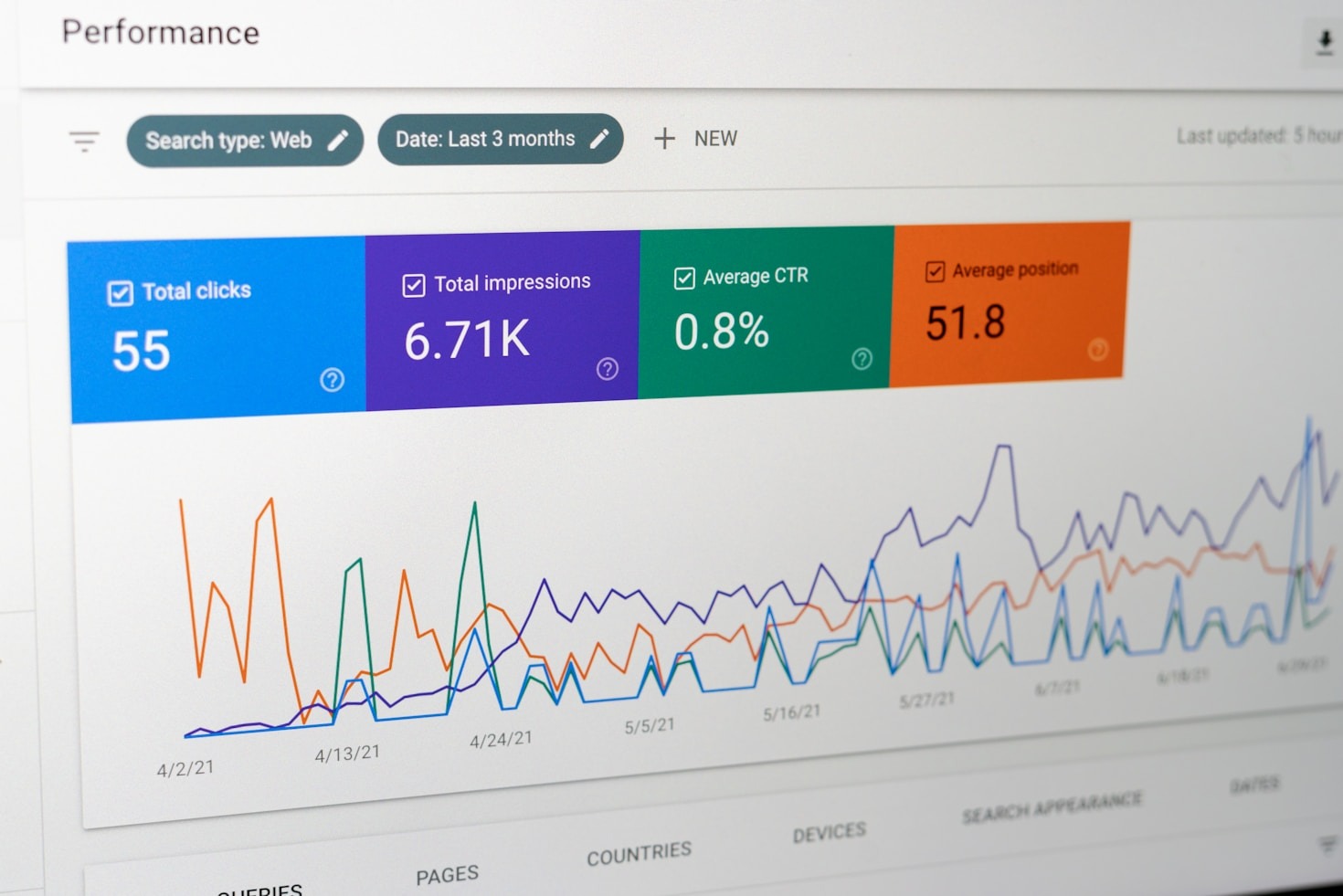
Many websites lack proper tracking and analytics infrastructure to measure SEO success. Without data-driven insights, you’re making decisions blindly. Implement Google Analytics 4, Google Search Console, and other tracking tools to monitor organic traffic, user behavior, conversion rates, and ranking positions. Regularly review this data to identify opportunities and make informed optimization decisions.
Conclusion: Staying Ahead in 2026
Avoiding these common SEO mistakes positions your website for sustained organic growth and improved search visibility. Success in 2026 requires a holistic approach combining technical excellence, user-focused content, quality link building, and data-driven decision-making. Prioritize mobile optimization, page speed, genuine user value, and continuous improvement. By learning from these mistakes and implementing best practices, you’ll build a strong SEO foundation that drives meaningful business results for years to come.
Leave a Reply