
Going Serverless: How Edge Computing is Changing Modern Web Architecture
Understanding Serverless Architecture
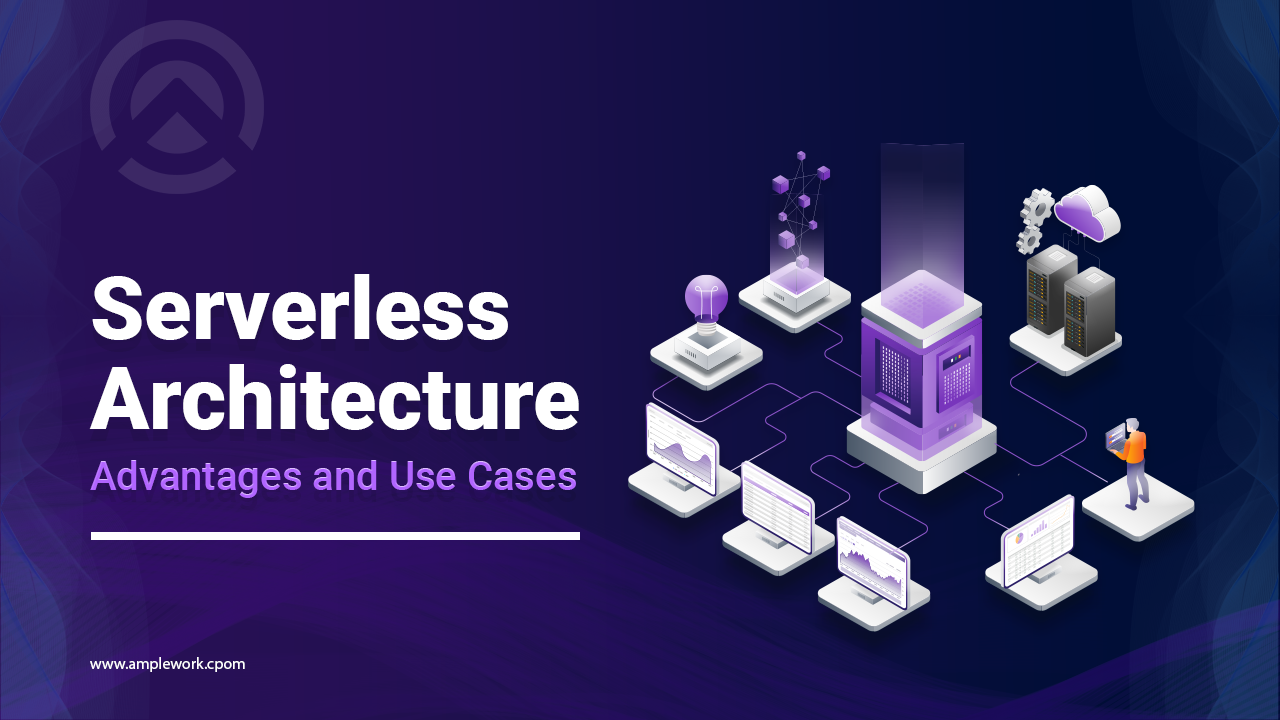
Serverless architecture represents a paradigm shift in how developers build and deploy web applications. Rather than managing infrastructure, developers write code that executes in response to events, with cloud providers handling all operational concerns. This approach eliminates the need for provisioning, scaling, and maintaining servers, allowing teams to focus entirely on business logic and application development.
The benefits of serverless architecture are substantial and transformative. Organizations experience reduced operational overhead, automatic scaling capabilities, and a pay-per-execution pricing model that optimizes costs. Developers gain the ability to deploy code faster, iterate more frequently, and reduce time-to-market for new features. Additionally, serverless platforms provide built-in security, monitoring, and compliance features that would otherwise require significant engineering effort.
What is Edge Computing Development
Edge computing development involves executing code closer to end users, at the network’s edge rather than in centralized data centers. This distributed computing approach significantly reduces latency, improves performance, and enhances user experience by processing requests near their origin. Edge computing is particularly valuable for applications requiring real-time responsiveness, content personalization, and geographically distributed services.
Edge computing development enables developers to build applications that respond instantly to user requests by executing code at hundreds of global edge locations simultaneously. This architecture eliminates the round-trip delays associated with traditional client-server models, resulting in faster load times and superior performance metrics. Companies implementing edge computing solutions report measurable improvements in user engagement, conversion rates, and overall customer satisfaction.
AWS Lambda vs Cloudflare Workers
AWS Lambda and Cloudflare Workers represent two distinct approaches to serverless computing, each with unique advantages. AWS Lambda excels in enterprise environments, offering deep integration with AWS services, extensive customization options, and powerful compute capabilities. Lambda functions can process complex workloads, interact with databases, and execute long-running operations, making it ideal for backend services and data processing pipelines.
Cloudflare Workers, conversely, prioritizes edge execution and global distribution. Workers run on Cloudflare’s edge network, executing code at 275+ data centers worldwide with millisecond latency. This makes Cloudflare Workers perfect for request routing, API Gateway functionality, authentication, caching logic, and content transformation. The primary difference lies in execution location: Lambda runs in regional data centers, while Workers run at the edge globally.
When comparing AWS Lambda vs Cloudflare Workers, consider your specific use case. Choose Lambda for compute-intensive operations, complex business logic, and deep AWS ecosystem integration. Select Cloudflare Workers for latency-sensitive applications, global distribution requirements, and edge-based request handling. Many organizations leverage both technologies complementarily, using Workers for edge processing and Lambda for backend operations.
Building Serverless Web Applications
Building serverless web applications requires adopting new design patterns and architectural principles. Begin by identifying functions that naturally align with discrete events: API endpoints, scheduled tasks, file processing, and database operations. Break down your application into small, focused functions that perform single responsibilities, enabling better testing, maintenance, and independent scaling.
Implement proper error handling, logging, and monitoring from the outset. Serverless platforms generate tremendous amounts of operational data, and comprehensive observability enables quick debugging and performance optimization. Use structured logging and distributed tracing to understand request flows across multiple functions and services. Establish clear naming conventions and documentation practices to maintain code clarity as your serverless application scales.
State management presents unique challenges in serverless architectures. Embrace stateless function design, leveraging external data stores like databases, caches, and message queues for persistence. Design for idempotency to handle potential duplicate invocations gracefully. Implement proper versioning strategies and deploy gradually to production, validating changes before full rollout.
Benefits of Serverless Architecture in Modern Development
The benefits of serverless architecture extend beyond cost optimization and operational simplification. Development teams experience accelerated deployment cycles, with code changes reaching production in minutes rather than hours. The reduced operational burden frees engineering resources to focus on feature development and innovation rather than infrastructure management.
Scalability becomes automatic and transparent in serverless environments. Applications naturally scale from zero to millions of concurrent requests without manual intervention or complex configuration. This elasticity proves invaluable for handling traffic spikes, seasonal variations, and unexpected growth without capacity planning challenges.
Security improves through reduced attack surface and built-in protections. Serverless providers manage underlying infrastructure security, apply patches automatically, and provide isolation between functions. Organizations can implement principle of least privilege more effectively, granting functions only necessary permissions through fine-grained IAM policies.
Future of Web Architecture with Serverless and Edge Computing
The convergence of serverless computing and edge computing represents the future of web architecture. Organizations increasingly adopt hybrid approaches, combining edge execution for latency-sensitive operations with regional compute for complex processing. This distributed architecture enables unprecedented performance, reliability, and user experience improvements.
As these technologies mature, expect enhanced tooling, improved local development experiences, and increased standardization. Multi-cloud serverless strategies will become more prevalent, reducing vendor lock-in concerns. The industry continues moving toward truly distributed computing models where code execution location is abstracted from developer concerns, optimizing automatically based on requirements and geography.
Conclusion: Building Sustainable SEO Success
Recovery from Google core updates requires systematic analysis, quality improvement, and technical optimization. Rather than viewing updates as threats, approach them as signals to strengthen your overall SEO foundation. Future-proof your site by prioritizing user experience, content quality, and technical excellence. Success in modern SEO comes from understanding that Google’s primary goal is delivering the best search results to users—align your optimization efforts with this principle, and sustainable rankings will follow.
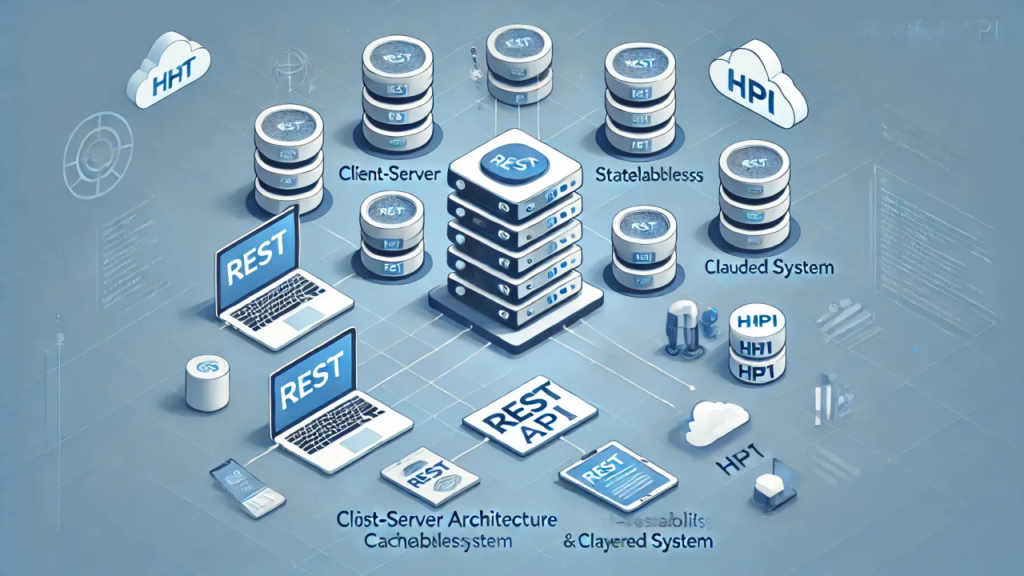
To see how these decentralized edge networks connect back to core data structures, read our detailed guide on Understanding RESTful APIs and Scalable Web Connections. To explore further technical standards regarding distributed networks, you can also review the Cloudflare Workers Documentation for practical implementations.
Leave a Reply