Self-Hosting vs Managed Cloud: Which Infrastructure Solution Is Right for You?
Understanding Self-Hosting and Managed Cloud
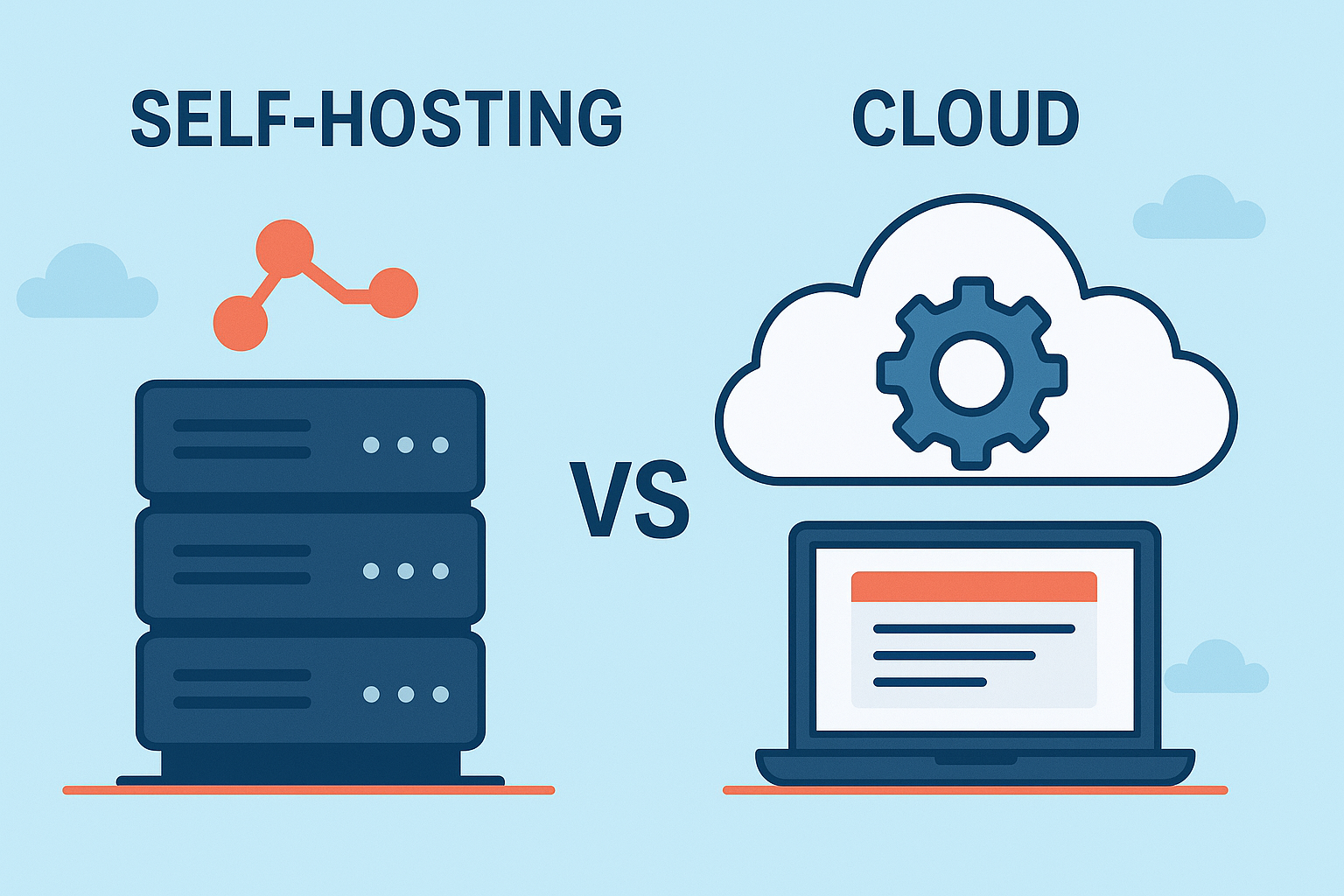
When it comes to hosting your digital assets, you’re basically looking at two main paths: self-hosting on your own hardware or going with a managed cloud solution. Self-hosting means you own and maintain the physical servers, while managed cloud hosting means a provider handles the infrastructure for you. Both have their pros and cons, and choosing between them depends on your specific needs, budget, and technical expertise.
Think of self-hosting like owning your own house. You get complete control over everything, but you’re also responsible for all the maintenance, repairs, and upgrades. Managed cloud hosting, on the other hand, is more like renting an apartment where the landlord handles most of the heavy lifting.
The True Cost of Running Your Own Server at Home
Let’s talk money. Running a server at home might sound cheap on paper, but there are hidden costs that often surprise people. First, there’s the initial hardware investment. A decent server setup can cost anywhere from $500 to several thousand dollars depending on your needs and performance requirements.
But that’s just the beginning. You’ll need reliable, fast internet with significant upload speeds—and that costs more than standard residential internet. Many people find they need a business-grade connection, which can add $50 to $200+ monthly to your bills. Then there’s electricity. A server running 24/7 consumes considerable power. Calculate this: if your server uses 200 watts and runs continuously, that’s roughly $15 to $30 per month in electricity costs alone, depending on your region.
Don’t forget about cooling and ventilation. Servers generate heat, and if you’re not careful, you could end up with higher air conditioning bills. Add in backup solutions, redundant storage, and you’re looking at additional hardware investments. Plus, there’s the intangible cost of your time—troubleshooting issues, applying security patches, managing updates, and handling any downtime that occurs.
On-Premise Infrastructure vs Cloud Hosting: Key Differences
On-premise infrastructure refers to servers and equipment physically located in your business or home. You have direct control and ownership, but you’re responsible for everything: security patches, hardware failures, scalability, and disaster recovery.
Cloud hosting, by contrast, uses servers distributed across multiple data centers. If one server fails, your data and services remain available on others. Cloud providers handle scaling automatically—if you need more resources during peak traffic, the infrastructure adapts without you doing anything. This flexibility is huge for growing businesses.
On-premise setups require significant upfront capital expenditure. You need to purchase all the equipment before you start. Cloud hosting operates on a pay-as-you-go model, spreading costs over time. This makes budgeting easier and allows you to scale down if needed.
Another critical difference is expertise. Managing on-premise infrastructure requires IT knowledge or hiring specialized staff. Cloud providers employ teams of experts dedicated to security, performance, and reliability. They invest millions in infrastructure you’d need to replicate yourself.
Privacy Benefits of Self-Hosting
Here’s where self-hosting really shines for privacy-conscious individuals. When you self-host, your data lives on servers you physically control. No third party has access to your files, databases, or communications. This is a fundamental difference that appeals to many people concerned about privacy.
With managed cloud hosting, even if your data is encrypted, the cloud provider technically has access to your physical infrastructure. In some cases, government agencies can request data access. If privacy is your primary concern, self-hosting eliminates this middleman entirely.
Self-hosting means you decide exactly what data you collect, how it’s stored, and who can access it. You’re not bound by any provider’s privacy policies or terms of service. This is particularly important for businesses handling sensitive customer information or individuals who value complete privacy.
You can also implement custom security measures tailored to your specific needs. Want military-grade encryption? Install it yourself. Need unusual backup protocols? You can implement them without restrictions. This level of customization is impossible with managed solutions that follow standardized practices for all customers.
Reliability and Performance Considerations
Here’s the honest truth: cloud hosting typically offers better uptime guarantees. Major providers maintain 99.9% uptime, with redundancy across multiple geographic locations. If you self-host and your internet goes down or your hardware fails, you’re offline until you fix it.
For professional applications, cloud hosting’s reliability often justifies the cost. You’re paying for peace of mind and automatic failover. Self-hosting works best for personal projects, development environments, or situations where occasional downtime is acceptable.
Making Your Decision
Choose self-hosting if you prioritize privacy, want complete control, have technical expertise, and can tolerate occasional downtime. It’s ideal for hobbyists, privacy advocates, and developers.
Choose managed cloud hosting if you need reliability, prefer predictable monthly costs, want automatic scaling, and would rather focus on your business than infrastructure management. It’s better for growing businesses, websites requiring high uptime, and teams without dedicated IT staff.
The best choice depends on your unique situation. Neither option is universally better—they’re designed for different needs. Consider your budget, privacy requirements, technical skills, and performance needs before deciding. Many successful operations actually use a hybrid approach, combining both for optimal results.
If you found this infrastructure breakdown helpful and want to dive deeper into optimizing your data management, check out these excellent resources:
-
Internal Link: For more insights on scaling your digital assets and optimizing your server costs, explore our comprehensive Cloud Object Storage vs Block Storage Guide.
-
External Link: For a closer look at server setups and making the right decision for your enterprise security, read Self-Hosting vs Managed Cloud Solutions on Congresodewebmasters.
Leave a Reply