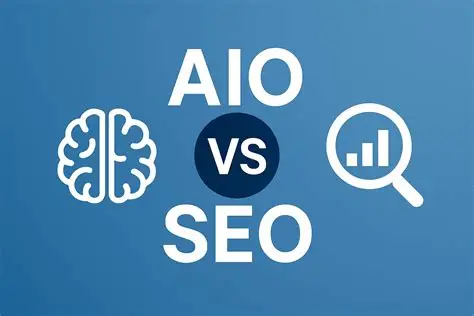
The digital marketing landscape has transformed dramatically over the past few years. Businesses and marketers now face an important decision: should they invest in traditional SEO tools, leverage AI-powered solutions, or use a combination of both? Understanding the strengths and limitations of each approach is essential for making an informed choice that aligns with your business goals and budget.
This article explores the differences between dedicated SEO tools and AI tools, examining their unique advantages, use cases, and how they can work together to enhance your digital presence.
Understanding Traditional SEO Tools
SEO tools have been around for over a decade, and they’ve become the backbone of many digital marketing strategies. These platforms are specifically designed to help marketers optimize their websites for search engines, track rankings, analyze competitors, and monitor overall performance.
Popular SEO tools like Ahrefs, SEMrush, Moz, and Screaming Frog have refined their features through years of user feedback and industry evolution. They excel at providing detailed keyword research, backlink analysis, site audits, and ranking tracking. Most SEO tools offer comprehensive dashboards that consolidate multiple data points into actionable insights.
The strength of traditional SEO tools lies in their specialized focus. They understand the nuances of search engine algorithms and provide metrics that directly correlate with search visibility. For example, domain authority, citation flow, and keyword difficulty scores are metrics developed specifically within the SEO community to measure and predict search performance.
The Rise of AI-Powered Tools
Artificial intelligence has revolutionized how we approach content creation, data analysis, and problem-solving. AI tools bring machine learning capabilities to marketing, enabling them to identify patterns, generate content, and make predictions at scale. Tools like ChatGPT, Jasper, and Copy.ai are transforming how marketers create copy, while AI-powered analytics platforms are uncovering insights that would take humans significantly longer to discover.
AI tools excel in automation and content generation. They can produce multiple variations of headlines, meta descriptions, and body copy in minutes. Additionally, AI can analyze vast amounts of data to identify trends and patterns that might go unnoticed in manual analysis. Some AI tools are beginning to integrate SEO recommendations directly into content creation processes, making optimization more seamless.
The primary advantage of AI tools is their speed and versatility. They’re not limited to SEO—they can assist with email marketing, social media content, customer service, and much more. This versatility appeals to smaller teams that need multi-purpose solutions.
Key Differences Between the Two Approaches
While both types of tools serve marketing purposes, they operate from fundamentally different methodologies. SEO tools focus on search engine metrics and competitive analysis, while AI tools emphasize automation, content generation, and pattern recognition.
SEO tools provide data-backed recommendations rooted in search engine behavior. When an SEO tool tells you that a keyword has low competition and high search volume, that assessment is based on actual search data and historical performance metrics. AI tools, conversely, work from training data and statistical relationships. When an AI generates content, it’s making educated guesses based on patterns in its training data, not necessarily analyzing how Google’s algorithm will respond.
Speed is another differentiator. AI tools generate content and insights instantly, making them ideal for quick iterations and rapid content production. SEO tools typically require time to crawl websites, gather data, and compile reports. However, this “slower” process often yields more accurate, search-specific insights.
When to Use Traditional SEO Tools
If your primary goal is to dominate search engine rankings, traditional SEO tools remain essential. These platforms provide the detailed competitive analysis and technical insights needed for a comprehensive SEO strategy. Keyword research in SEO tools is far more granular than what AI can currently offer, showing search volume, keyword difficulty, and related queries.
SEO tools also shine for site audits and technical SEO. They can crawl your entire website, identify broken links, analyze internal linking structures, and flag crawl errors. This technical foundation is crucial for ensuring search engines can properly index and understand your site.
For agencies and enterprise-level organizations that need detailed reporting and client communication, SEO tools provide the credibility and depth that stakeholders expect. Showing a client a detailed SEMrush report with specific metrics carries more weight than general AI-generated recommendations.
When to Use AI Tools
AI tools are invaluable when your focus shifts toward content creation and efficiency. If you’re producing large volumes of content, AI can dramatically speed up your workflow. These tools excel at generating first drafts, brainstorming ideas, and creating variations of messaging for different audiences.
AI also helps with personalization and customer experience optimization. AI chatbots and recommendation engines can engage users in ways that improve conversion rates and user satisfaction. For teams lacking copywriting expertise, AI tools provide an accessible way to maintain consistent, quality content output.
Small businesses and startups with limited budgets often benefit from AI tools because they provide multiple marketing functions in one platform. Rather than paying for separate keyword research, content analysis, and copywriting tools, a single AI platform can handle numerous tasks.
The Optimal Strategy: Integration and Combination
The most effective approach often involves using both types of tools strategically. Start with SEO tools to conduct thorough keyword research, competitive analysis, and technical audits. These insights form the foundation of your strategy. Then, use AI tools to accelerate content creation while ensuring it aligns with the keyword targets and optimization requirements identified by your SEO tools.
For example, you might use Ahrefs to identify a high-opportunity keyword cluster, then use AI to quickly draft multiple pieces of content targeting those keywords. Subsequently, you can use SEO tools again to verify that the published content ranks for your target keywords and make adjustments as needed.
This integrated approach leverages the strengths of both categories: the search-specific precision of SEO tools combined with the efficiency and creativity of AI tools. The result is a more scalable, data-driven content strategy that doesn’t sacrifice quality for speed.
Conclusion
The question isn’t necessarily whether to choose SEO tools or AI tools—it’s how to combine them effectively. Traditional SEO tools remain indispensable for anyone serious about search engine optimization, providing unmatched accuracy in keyword research, competitive analysis, and technical audits. AI tools, meanwhile, are revolutionizing content creation and marketing automation, making workflows faster and more efficient.
Forward-thinking marketers recognize that the future of digital marketing involves synergy between these approaches. By using SEO tools to guide strategy and AI tools to accelerate execution, you can build a more powerful, scalable marketing operation. Whether you’re an individual freelancer, a small business owner, or an enterprise-level marketer, understanding how to leverage both tool categories will keep you competitive in an increasingly sophisticated digital landscape.
Leave a Reply