Best SEO Tools vs AI Tools: A Comprehensive Comparison Guide
In the ever-evolving digital landscape, search engine optimization (SEO) professionals and content creators face a critical decision: should they invest in traditional SEO tools or embrace AI-powered solutions? Both categories offer unique advantages and limitations that can significantly impact your online visibility and content strategy. This comprehensive guide will help you understand the differences, benefits, and drawbacks of each approach to make an informed decision for your business.
Understanding SEO Tools and AI Tools
Before diving into the comparison, it’s essential to clarify what we mean by SEO tools and AI tools. Traditional SEO tools are software applications designed specifically to optimize websites for search engines. They provide data-driven insights about keywords, backlinks, competitors, and website health. AI tools, on the other hand, leverage machine learning and artificial intelligence to automate tasks, generate content, and provide intelligent recommendations across various marketing functions.
Traditional SEO Tools: The Foundation of Search Optimization
What Are SEO Tools?
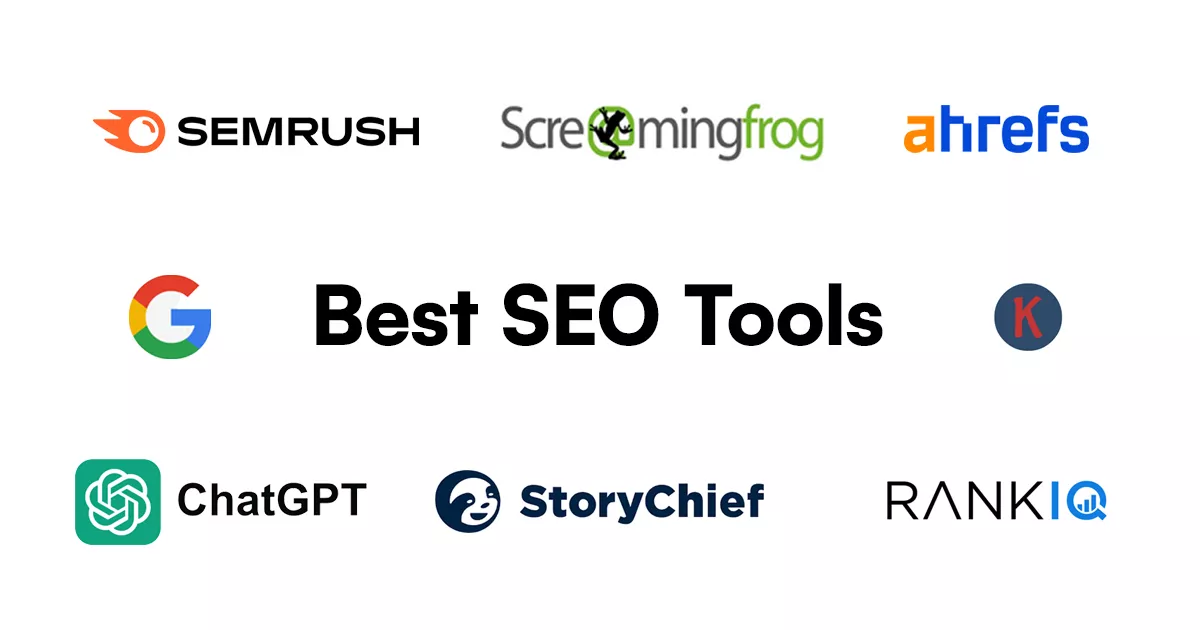
SEO tools are specialized platforms that help webmasters and marketers understand how their websites perform in search results. These tools collect data from search engines and analyze website metrics to provide actionable insights. Popular options include Ahrefs, SEMrush, Moz, and Screaming Frog.
Key Features of Traditional SEO Tools
Keyword Research and Analysis
Traditional SEO tools excel at identifying high-value keywords for your niche. They provide search volume data, keyword difficulty scores, and competitive analysis. This information is crucial for developing a targeted content strategy that ranks well in search results. Tools like Ahrefs and SEMrush maintain massive databases of search queries and their metrics.
Backlink Analysis
Understanding your backlink profile is essential for SEO success. SEO tools provide detailed information about which websites link to you, the quality of those links, and how they compare to competitors. This data helps you identify link-building opportunities and monitor your domain authority.
On-Page SEO Audits
Most SEO platforms offer comprehensive website audits that identify technical SEO issues, on-page optimization opportunities, and content gaps. They check for proper header tag usage, meta descriptions, internal linking structure, and mobile-friendliness.
Rank Tracking
SEO tools monitor your keyword rankings across search engines over time. This feature allows you to track the effectiveness of your optimization efforts and identify trends in your search visibility.
Advantages of Traditional SEO Tools
– Highly Specialized: Built specifically for SEO tasks with deep, accurate data
– Comprehensive Data: Access to historical data and trends spanning years
– Competitive Intelligence: Detailed competitor analysis and benchmarking
– Reliability: Established databases with proven accuracy
– Real-time Monitoring: Continuous tracking of website performance metrics
Limitations of Traditional SEO Tools
– Cost: Many premium SEO tools require significant monthly investments
– Learning Curve: Mastering these platforms takes time and expertise
– Data Overload: Beginners may feel overwhelmed by the volume of information
– Limited Content Creation**: Most SEO tools don’t help generate actual content
AI Tools: The New Frontier of Digital Marketing
What Are AI Tools?
AI tools leverage machine learning algorithms and natural language processing to automate tasks and provide intelligent insights. Popular AI writing platforms include ChatGPT, Jasper, Copy.ai, and Surfer SEO, which combines traditional SEO data with AI capabilities.
Key Features of AI Tools
Content Generation
AI tools can generate blog posts, product descriptions, meta tags, and headlines at scale. These tools understand context and produce readable, relevant content that incorporates target keywords naturally.
Automation and Efficiency
AI accelerates repetitive tasks like title tag optimization, content outlining, and initial drafting. This allows marketers to focus on strategy and refinement rather than starting from scratch.
Personalization
AI tools analyze user behavior to create personalized content recommendations and experiences. This capability is increasingly important for improving user engagement and conversion rates.
Predictive Analytics
Some AI tools forecast trends and predict which content types will perform best for your audience, helping you stay ahead of the curve.
Advantages of AI Tools
– Cost-Effective: Many AI platforms offer affordable entry points
– Speed: Generate content and insights dramatically faster than manual processes
– Accessibility User-friendly interfaces require minimal training
– Scalability: Produce large quantities of content quickly
– integration: Often work seamlessly with other marketing platforms
– Continuous Learning: Improve over time as they process more data
Limitations of AI Tools
– Content Quality: AI-generated content sometimes requires significant editing
– Limited SEO Depth : Many AI tools lack comprehensive SEO databases
– Accuracy Concerns: May produce factually incorrect information without verification
– Lack of Originality: Risk of generic or repetitive content
– Context Limitations: Struggle with nuanced industry-specific knowledge
– Ethical Concerns: Debate around plagiarism and authenticity
Comparing Performance Metrics
For Keyword Research
Traditional SEO tools provide superior keyword research capabilities with accurate search volume data, keyword difficulty scores, and seasonal trends. AI tools may suggest keywords but lack the comprehensive databases of established platforms.
For Content Creation
AI tools excel at generating content quickly, while traditional SEO tools struggle with content generation. However, AI-generated content often needs refinement to meet quality standards.
For Data Accuracy
Traditional SEO tools maintain verified databases and provide highly accurate competitive intelligence. AI tools may hallucinate data or provide outdated information without proper verification.
For Cost-Effectiveness
For small businesses and startups, AI tools offer better bang for your buck. Enterprise organizations may find traditional SEO tools provide superior ROI despite higher costs.
The Hybrid Approach: Best of Both Worlds
Rather than choosing between SEO tools and AI tools, many successful marketers adopt a hybrid strategy:
1. Use SEO tools for research and analysis – Conduct thorough keyword research and competitive analysis
2. Use AI tools for content creation– Generate drafts and outlines based on SEO insights
3. Manual optimization – Refine and enhance content with human expertise
4. Monitor with SEO tools – Track performance and adjust strategy based on results
This approach combines the data accuracy and specialized expertise of traditional SEO tools with the speed and efficiency of AI platforms.
Recommendations by Use Case
For SEO Professionals
SEO professionals should prioritize traditional SEO tools like Ahrefs or SEMrush as their foundation, supplemented with AI tools for content generation and efficiency.
For Content Creators
Content creators benefit from AI writing tools for drafting, paired with SEO tools for keyword research and optimization guidance.
For Small Business Owners
Small businesses should start with affordable AI tools for content production while using free SEO tools like Google Search Console, then scale to premium tools as growth permits.
For E-Commerce Businesses
E-commerce platforms benefit significantly from AI tools for product descriptions combined with traditional SEO tools for category optimization and technical SEO.
Conclusion
The choice between SEO tools and AI tools isn’t necessarily an either-or decision. Traditional SEO tools provide the specialized, accurate data necessary for informed strategy decisions, while AI tools offer speed, scalability, and efficiency in execution. The most effective digital marketing strategies leverage both categories, using SEO tools to understand your market and competition, then deploying AI tools to produce content at scale. As technology continues evolving, expect greater integration between these platforms, creating even more powerful solutions for digital marketers. Evaluate your specific needs, budget, and goals to determine the optimal mix of tools for your unique situation.
Leave a Reply