
Advanced Domain Valuation and Pricing Strategies: Complete Guide
Understanding Domain Name Valuation Basics
Domain name valuation is both an art and a science. Determining how much is your domain worth requires analyzing multiple factors that influence market demand and desirability. Unlike physical assets, domains don’t have standardized valuation methods, making it essential to understand the key drivers of domain value in today’s digital marketplace.
The domain industry has evolved significantly, with premium domains commanding six or seven-figure prices. However, most domain owners need practical guidance to assess their portfolio accurately. Professional domain name appraisal considers historical sales data, market trends, and inherent domain characteristics that appeal to potential buyers.
Key Factors That Determine Domain Worth
Several critical elements influence domain name value. Length is paramount—shorter domains are exponentially more valuable than longer ones. Single-word domains, particularly three to five letter combinations, command premium prices because they’re memorable, brandable, and easy to type. A domain name appraisal tips recommend measuring length against comparable sales in your domain’s category.
Memorability and pronounceability significantly impact value. Domains that are easy to spell, pronounce, and remember naturally attract higher appraisals. Additionally, domains free from hyphens, numbers, or confusing letter combinations tend to appreciate better in value. These characteristics make domains more marketable to businesses seeking branded web properties.
Keyword relevance plays a crucial role in domain appraisal. Domains containing high-value, searched keywords related to popular industries—such as finance, real estate, technology, or e-commerce—typically command higher valuations. However, generic keyword domains have become less valuable as search engine algorithms emphasize content over domain names.
Valuable Domain Extensions and Their Impact
Your domain extension significantly affects overall value. The .com extension remains the gold standard in domain pricing, with comparable .com domains valued 5-10 times higher than identical .net or .org domains. This preference stems from consumer trust, recognition, and the historical dominance of .com in the commercial marketplace.
Geographic extensions like .co.uk, .de, and .ca hold strong value within their respective regions but may have limited global appeal. The rise of new generic top-level domains (gTLDs) like .io, .ai, .co, and .app has created opportunities for valuation. Tech-oriented extensions such as .io and .ai now command premium prices, particularly for startup companies and artificial intelligence-related businesses.
Industry-specific extensions including .finance, .tech, .agency, and .realestate have established value propositions for targeted verticals. However, these extensions generally command lower prices than .com equivalents. When assessing valuable domain extensions, consider both the extension’s popularity and its relevance to your domain’s primary keyword or industry.
The Premium Value of Short Domain Names
Short domain names represent some of the most sought-after digital assets. Three-letter .com domains frequently sell for five to six figures, while two-letter .com domains can reach seven figures or beyond. The scarcity of short combinations—only 17,576 possible three-letter combinations exist—drives intense competition among investors and businesses.
Single-word short domain names value exponentially based on length and keyword strength. A four-letter .com domain with commercial appeal might appraise between $10,000 and $100,000, depending on whether it contains valuable keywords or represents a recognizable brand concept. Five-letter domains follow similar patterns but at lower price points.
Short domain names benefit from maximum memorability and minimal typing errors. Businesses prefer short domains for branded properties because they’re easier to market, remember, and communicate verbally. This universal appeal makes short domains highly liquid assets with consistent buyer demand across industries.
Domain Name Appraisal Tips for Accurate Valuation
Begin your domain name appraisal by researching comparable sales. Platforms like NameBio, DomainSherpa, and Flippa document historical domain sales, providing benchmark data for similar domains. Compare your domain against recently sold properties with comparable length, keywords, and extensions to establish realistic valuations.
Utilize automated appraisal tools as starting points, but understand their limitations. Services like Estibot and GoDaddy’s appraisal tools employ algorithms analyzing numerous factors, yet they cannot replicate expert human judgment regarding brand potential or emerging market trends. Treat automated appraisals as general indicators rather than definitive values.
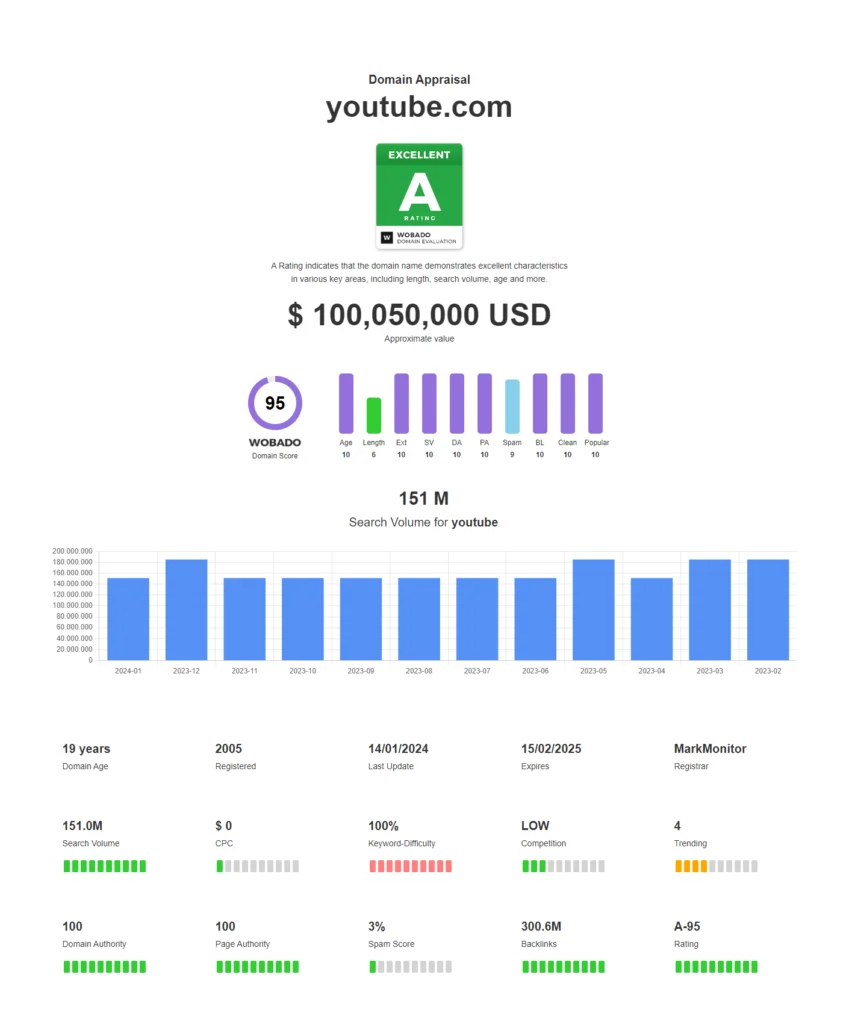
Consider your domain’s age, history, and any existing traffic or backlinks. Aged domains with established trust metrics command premiums over new registrations. Similarly, domains with existing traffic or search engine rankings possess inherent value beyond the domain string itself. Document these assets during appraisal.
Evaluate your domain’s potential for specific business applications. A domain appraised at $5,000 might be worth $50,000 to a company seeking that exact brand name. Strategic value differs from market value, and understanding potential buyer motivation strengthens negotiation positions.
Professional Valuation Services and Expert Assessment
Engaging professional domain appraisers provides authoritative valuations for premium domains or portfolio assessments. Expert appraisers analyze market conditions, buyer demand, trademark issues, and commercial potential with sophistication that automated tools cannot match. This investment becomes worthwhile for high-value domains or legal disputes involving domain valuation.
Industry reports from domain research firms like Namejet and Sedo offer market insights informing valuation strategies. These reports track sales trends, identify emerging extensions, and highlight shifting buyer preferences, enabling more accurate pricing assessments. Subscribe to industry publications for ongoing market intelligence.
Setting Realistic Asking Prices
Price your domain based on comprehensive research rather than wishful thinking. Many domain owners significantly overestimate value, resulting in expired registrations or years without serious inquiries. Conservative pricing attracts more qualified buyers and facilitates faster transactions, often generating superior returns compared to indefinite holding periods.
Implement tiered pricing strategies when selling domains. Start with aspirational pricing, gradually reducing asking prices based on market response. This approach identifies true market value while capturing maximum returns from early buyers willing to pay premiums for immediate acquisition.
Conclusion
Understanding how much your domain is worth requires analyzing multiple valuation factors including length, extension, keywords, and market demand. Leverage comparable sales data, professional appraisal services, and industry expertise to establish realistic valuations. By mastering domain valuation strategies, you can optimize your domain portfolio’s return on investment and make informed selling or holding decisions aligned with market conditions.
Do you need. free domain? maybe its for you !
How to Get Free Domain Complete Guide for you
Leave a Reply