
Local SEO Guide: Master Map Pack Optimization and Local Search Rankings
Understanding Local SEO and Its Importance
Local SEO has become essential for businesses aiming to attract customers in their geographic area. Whether you operate a single storefront or multiple locations, optimizing for local search results can significantly impact your visibility and customer acquisition. Local SEO focuses on improving your online presence within your community, making it easier for nearby customers to find and choose your business over competitors.
The digital landscape has shifted dramatically, with over 76% of consumers using search engines to find local businesses. This statistic underscores why investing in a comprehensive local SEO strategy is crucial for sustainable business growth. When potential customers search for services or products in their area, your business needs to appear prominently in local search results and Google Maps.
Google Business Profile Optimization: The Foundation
Your Google Business Profile is the cornerstone of local SEO success. This free tool directly influences how your business appears in Google Search and Maps. Optimizing your profile correctly can dramatically increase your visibility and credibility with both search engines and potential customers.
Start by claiming and verifying your Google Business Profile if you haven’t already. Complete every section thoroughly with accurate business information, including your business name, address, phone number, and website URL. Consistency across these details is critical, as any discrepancies can confuse search engines and harm your rankings.
Upload high-quality photos and videos of your business, products, and services. Visual content helps potential customers understand what you offer and makes your profile more engaging. Include professional photos of your storefront, team members, and completed projects. Fresh, relevant images also signal to Google that your business is active and current.
How to Rank Locally: Key Strategies
Achieving top rankings in local search results requires a multifaceted approach combining technical optimization, content creation, and reputation management. Understanding the factors that influence local search rankings will help you prioritize your efforts effectively.
Local citations are essential for ranking locally. Ensure your business information is listed consistently across relevant online directories such as Yelp, Yellow Pages, Apple Maps, and industry-specific platforms. These citations act as digital references that validate your business’s legitimacy and location to search engines.
Create location-specific content on your website that targets local keywords. Develop dedicated pages for each service area you serve, incorporating local keywords naturally throughout your content. For multi-location businesses, create unique content for each location rather than duplicating pages across your site.
Mobile optimization is non-negotiable in local SEO. Most local searches happen on mobile devices, so ensure your website is fully responsive and loads quickly on smartphones and tablets. Page speed directly impacts user experience and search rankings, making it a critical factor in your local SEO strategy.
Building Quality Local Backlinks
Backlinks from reputable local sources signal to Google that your business is an authority in your community. Pursue partnerships with local organizations, sponsor community events, and get featured in local publications. These efforts generate valuable backlinks while increasing your local brand awareness.
Engage with local business associations and chambers of commerce. Many of these organizations provide listing opportunities and networking benefits that can enhance your local SEO efforts. Being an active community member demonstrates your commitment to your area and can lead to valuable partnerships and mentions.
Managing Reviews and Reputation
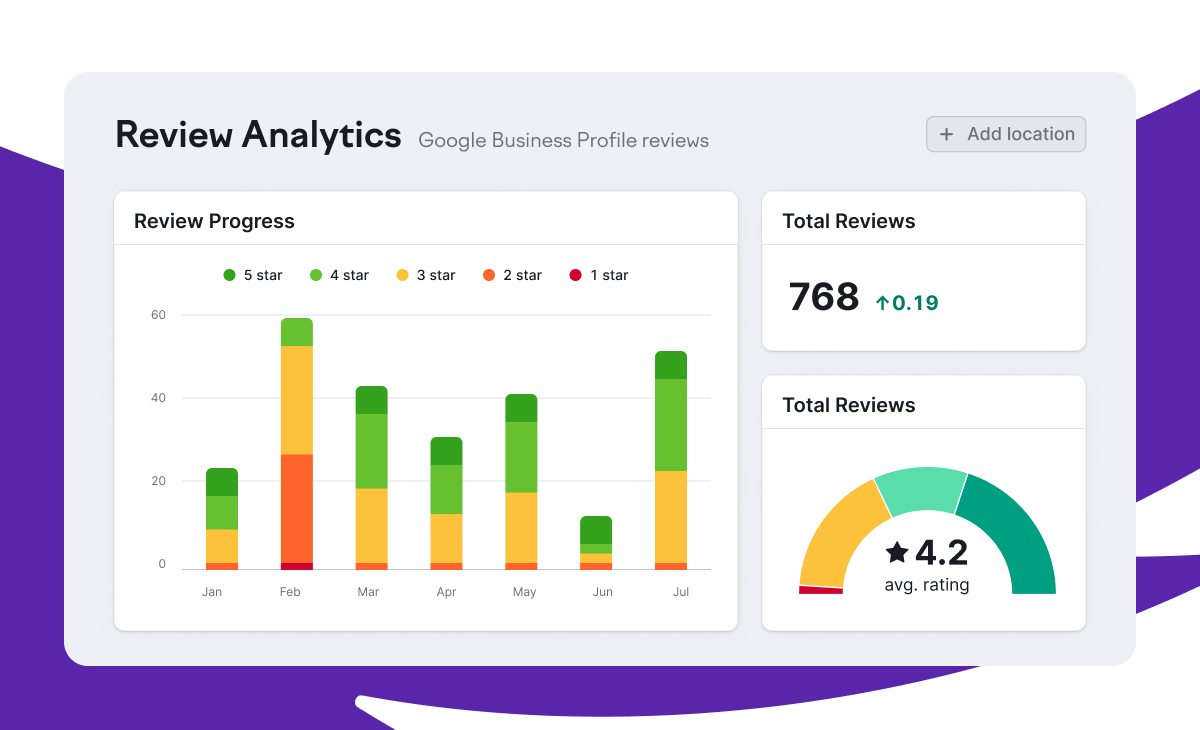
Customer reviews significantly impact local search rankings and influence purchasing decisions. Encourage satisfied customers to leave positive reviews on your Google Business Profile and other relevant platforms. Respond professionally to all reviews, including negative ones, demonstrating your commitment to customer satisfaction.
Generate more reviews by implementing simple request systems. Send follow-up emails after customer interactions, include review requests in your marketing materials, and make the review process easy by providing direct links to your profiles. A steady stream of positive reviews improves your rankings and builds trust with potential customers.
Local Schema Markup Implementation
Schema markup helps search engines understand your business information more effectively. Implement local business schema on your website to provide structured data about your business location, phone number, hours, and services. This markup increases the likelihood of appearing in rich snippets and knowledge panels.
Use schema markup for your address, phone number, business hours, and customer reviews. This structured data makes it easier for search engines to display your information prominently in local search results and enhances your overall SEO performance.
Optimizing Google Maps Presence
Google Maps integration is crucial for local search visibility. Ensure your business appears in Google Maps with accurate information and current details. Regularly update your business hours, especially during holidays or special closures, to prevent customer frustration.
Add detailed descriptions and service area information to your Google Maps listing. If you serve multiple areas, define your service radius clearly. Use Google Posts to share updates, promotions, and news directly to your profile, keeping your listing fresh and engaging.
Local Keyword Research Strategy
Conduct thorough local keyword research to understand what potential customers are searching for in your area. Use tools like Google Keyword Planner, SEMrush, and Ahrefs to identify location-specific keywords with decent search volume and manageable competition.
Target long-tail keywords that include location modifiers, such as “plumber near me” or “best coffee shop in [city name].” These keywords often have higher conversion rates because they indicate immediate intent and local interest. Incorporate these keywords naturally into your website content, meta tags, and business descriptions.
Measuring Local SEO Success
Track your local SEO performance using Google Analytics and Google Search Console. Monitor your rankings for local keywords, analyze traffic from local searches, and measure conversions originating from local search. Establish clear KPIs to evaluate the effectiveness of your local SEO efforts.
Use Google Business Profile insights to understand how customers find your business and what actions they take. This data reveals whether customers are calling, visiting your website, or requesting directions, helping you refine your strategy for maximum impact.
Conclusion
Local SEO is a powerful tool for businesses seeking to dominate their local market. By implementing these strategies—optimizing your Google Business Profile, creating location-specific content, building local citations, managing reviews, and leveraging schema markup—you can significantly improve your visibility in local search results and Google Maps. Success in local SEO requires consistent effort and ongoing optimization, but the return on investment makes it worthwhile for any business targeting customers in specific geographic areas.
To explore more actionable frameworks and case studies for scales, visit the comprehensive guides available at Congreso de Webmasters Traffic Growth
. Furthermore, to align your ongoing recovery plan with search standards, consult the official guidelines provided in the Google Search Central Documentation.
Leave a Reply