
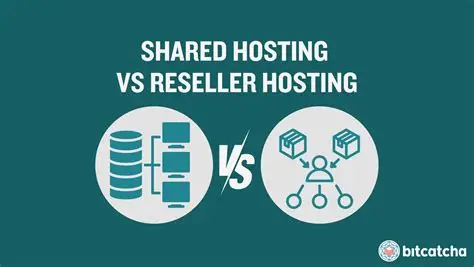
Reseller Hosting vs Shared Hosting: Your Guide to Starting a Web Hosting Business
Understanding Shared Hosting Basics
Shared hosting is the entry point for most website owners and small businesses. It’s like renting an apartment in a large building where you share utilities and common spaces with other tenants. Your website sits on a server alongside dozens or even hundreds of other sites, all sharing the same resources like CPU, RAM, and bandwidth. This makes shared hosting incredibly affordable, typically costing just a few dollars per month. However, this affordability comes with limitations. If one website on the server gets hacked or experiences a traffic spike, it can impact your site’s performance. For small blogs, portfolios, and startup websites, shared hosting works perfectly fine.
What Makes Reseller Hosting Different
Reseller hosting takes a different approach entirely. Instead of running your own hosting infrastructure, you purchase hosting resources from a larger provider and resell them to your own clients under your own brand. Think of it as becoming a middleman between a hosting company and end users. You get allocated server resources, and you’re responsible for allocating those resources to your clients through your own hosting accounts. The beauty of reseller hosting is that you maintain complete control over pricing, features, and customer relationships. Many successful hosting entrepreneurs started with reseller hosting because it eliminates the massive overhead of building and maintaining physical servers.
Key Differences Between the Two Models
The main distinction lies in purpose and scale. Shared hosting is designed for end users who need to host a single website or a few websites. Reseller hosting is designed for entrepreneurs who want to build a hosting business by serving multiple clients. With shared hosting, you’re a customer buying a service. With reseller hosting, you’re becoming a service provider. Reseller hosting typically offers white label capabilities, meaning you can brand everything with your company name and logo. Your clients never know they’re using resources from a parent company. Shared hosting doesn’t offer this flexibility because you’re just one customer among many.
Starting Your Web Hosting Business: The Reseller Route
If you’re serious about launching your own hosting company, reseller hosting is the most practical starting point. First, research reputable reseller hosting providers. Look for companies with strong infrastructure, excellent uptime guarantees, and responsive support. You’ll need to evaluate their control panel options—cPanel and WHM are industry standards that make managing multiple client accounts straightforward. Next, develop your business plan. Decide your target market. Are you going after WordPress bloggers, e-commerce stores, or local businesses? Your niche determines your pricing strategy and marketing approach. Create a compelling brand identity and a professional website showcasing your hosting plans.
Leveraging White Label Hosting Infrastructure
White label hosting infrastructure is your secret weapon for building a legitimate hosting business without massive capital investment. Your provider handles all the technical backend work—server maintenance, security updates, hardware replacements, and 24/7 monitoring. You focus on customer acquisition and support. White label solutions let you customize everything customers see, from the logo on their control panel to the welcome emails they receive. This creates the illusion of a fully independent hosting company, even though you’re operating on someone else’s infrastructure. Many successful hosting companies operate this way, even at large scales. The white label approach lets you scale quickly without worrying about server management expertise or infrastructure costs.
Managing Multiple Hosting Client Accounts Efficiently
Once you start acquiring clients, managing multiple hosting accounts becomes critical. Your hosting provider’s control panel (usually WHM for resellers) is your command center. From here, you can create new accounts, manage resources, monitor usage, and handle billing. Most modern reseller hosting platforms integrate with billing software like WHMCS or Blesta, automating invoicing, payment processing, and account provisioning. This automation is essential because manually managing client accounts at scale becomes impossible. Set up clear account structures for each client. Some clients might have multiple domains or subdomains, so organize them logically. Implement backup systems and monitoring tools to catch problems before clients experience downtime. Your reputation depends on reliability, so invest in proper infrastructure and support tools from day one.
Choosing Between Models: What’s Right for You?
If you simply need web hosting for your own websites, shared hosting is the logical choice. It’s cheap, easy to manage, and requires no business infrastructure. If you want to build a hosting company or sell hosting as part of a larger service offering, reseller hosting makes sense. The barrier to entry is low compared to building infrastructure from scratch, typically requiring just a few hundred dollars monthly. You get instant credibility through white label branding, and your provider handles all the technical complexity. The scalability potential is excellent—as your client base grows, most reseller providers can upgrade your resources without requiring a complete migration.
Building Long-Term Success in Web Hosting
The hosting industry is competitive, so differentiation matters. Some resellers succeed by offering exceptional customer support, others by targeting specific niches or providing specialized services. Build relationships with your clients, respond quickly to issues, and consistently deliver what you promise. Invest in your own education about hosting technologies, security, and best practices. Your clients depend on you being knowledgeable enough to guide them. As your business grows, you might eventually graduate to VPS or dedicated server hosting, or even managed hosting where you provide higher-touch support. Many successful hosting companies started exactly where you are—buying reseller hosting and building from there.
Final Thoughts
Understanding the difference between reseller hosting and shared hosting is crucial when planning your hosting business journey. Shared hosting serves individual website owners, while reseller hosting empowers entrepreneurs to build hosting companies. White label infrastructure removes technical barriers, and modern management tools make handling multiple client accounts manageable. Whether you choose the reseller path or stick with shared hosting for personal use, both models have their place. The key is matching the right solution to your actual needs and goals.
Related Resources: Internal Link: Learn how to manage your backend systems securely in our https://congresodewebmasters.com/how-to-connect-server-ssh-root-access-tutorial/. External Link: To learn more about standard hosting automation tools and account provisioning benchmarks, check out the industry standards at https://www.whmcs.com.
Leave a Reply