
In 2026, the landscape of SEO has fundamentally shifted. Gone are the days when building backlinks was purely about quantity—today, digital PR link building demands sophistication, strategy, and most importantly, data. Search engines have become increasingly adept at evaluating link quality, and your backlink profile is only as strong as the authority and relevance of the domains pointing to you.
If you’re serious about dominating search rankings and building sustainable organic traffic, understanding how to leverage digital PR for link building isn’t optional—it’s essential. This comprehensive guide will walk you through data-driven approaches to securing high-authority backlinks that actually move the needle for your domain.
What is Data-Driven Digital PR Link Building?
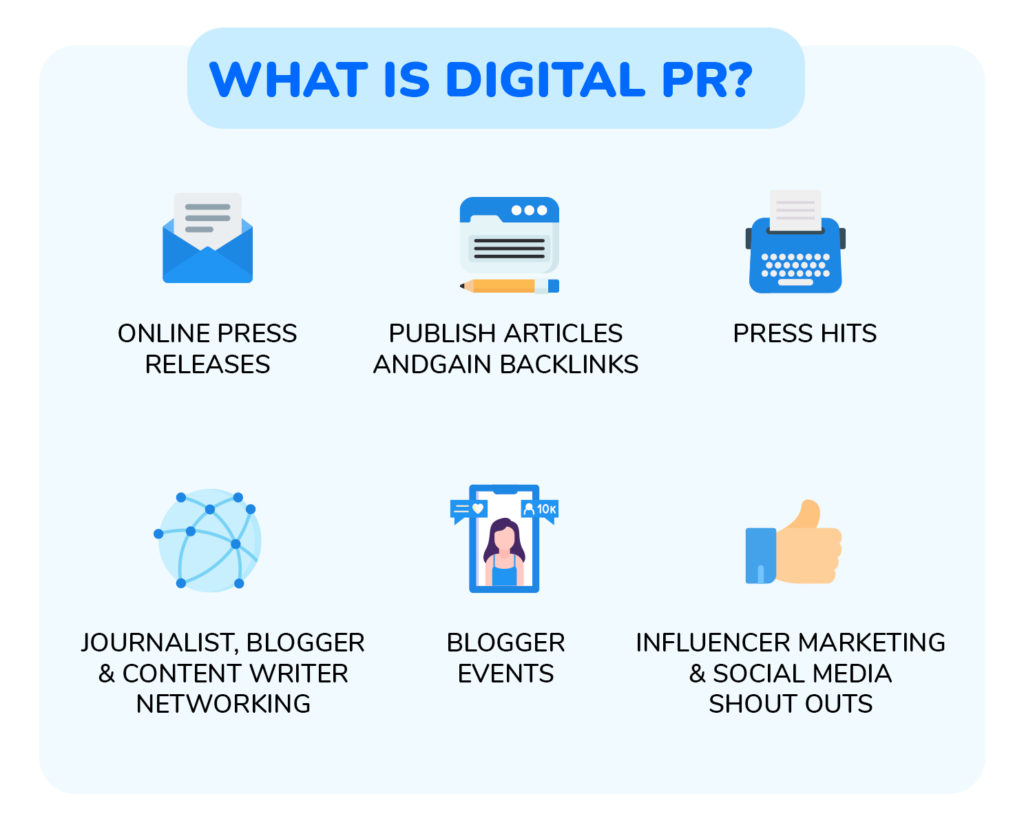
Digital PR link building is the intersection of public relations and SEO strategy. It involves creating newsworthy content, building relationships with journalists and influencers, and strategically pitching stories that earn coverage on high-authority domains—thereby generating valuable backlinks.
What separates modern approaches from outdated tactics is the data component. Instead of blindly reaching out to websites, data-driven digital PR relies on:
– Competitor backlink analysis to identify link opportunities – Domain authority metrics to prioritize outreach targets – Content performance data to inform pitch angles – Audience research to ensure relevance and coverage potential – Attribution tracking to measure ROI on PR efforts
The result? More efficient campaigns, higher quality backlinks, and better alignment with Google’s E-E-A-T (Experience, Expertise, Authoritativeness, Trustworthiness) framework.
Why High Authority Backlinks Matter in 2026
Google’s algorithm updates continue to emphasize authority and trustworthiness. Recent core updates have made it abundantly clear that not all backlinks are created equal. A single link from a domain with domain authority (DA) of 70+ can be worth more than 50 links from low-authority sites.
For domain investors and SEO professionals, this reality presents both challenges and opportunities:
– Challenges: Building backlinks is harder because competition is fiercer and Google is stricter about what it rewards – Opportunities: Quality-focused strategies create sustainable competitive advantages that don’t evaporate with the next algorithm update
The brands winning in 2026 are those that treat digital PR link building as a long-term investment in authority rather than a quick fix for rankings.
Step 1: Conduct Data-Driven Backlink Research
Before you pitch a single story, you need intelligence. Start by analyzing:
Competitor Link Profiles
Identify your top-ranking competitors and audit their backlink profiles. Tools like Ahrefs, SEMrush, and Moz reveal which domains link to competitors, providing a roadmap for your own outreach.
Ask yourself: – Which high-authority domains are linking to competitors? – What topics triggered coverage? – What publication types dominate their backlink profiles?
Your Industry’s Link Landscape
Not all backlinks are equally valuable within your niche. A link from a major technology publication carries weight if you’re in fintech, but might not help a fashion brand as much. Map out which high authority backlinks 2026 are realistic and relevant for your industry.
Create a tiered target list: – Tier 1: Industry-leading publications (DA 60+) – Tier 2: Respected niche publications (DA 40-59) – Tier 3: Emerging platforms and blogs (DA 20-39)
Step 2: Develop Content That Earns Coverage
Here’s the truth about creative link building strategies: you can’t earn media coverage if you don’t have something worth covering.
Data-driven content development means:
Conducting Original Research
Journalists and bloggers crave data. Surveys, studies, and analyses that reveal trends or counter conventional wisdom are link-magnets. This original research becomes: – Standalone pieces worthy of coverage – Assets for outreach pitches – Evergreen resources that continue earning backlinks
Creating Newsworthy Angles
Not all information is newsworthy. Develop angles that resonate with editorial calendars and current events: – Industry trend analysis tied to recent announcements – Research challenging industry assumptions – Timely commentary on regulatory changes or market shifts
Building Linkable Assets
Think beyond blog posts. Linkable assets include: – Industry reports and whitepapers – Interactive tools and calculators – Comprehensive data visualizations – Case studies with quantifiable results
Step 3: Execute Modern Backlink Outreach
Modern backlink outreach combines old-school relationship building with new-school data tools.
Journalist and Editor Identification
Use platforms like Muck Rack, Cision, or manual research to identify: – Journalists covering your industry – Their recent articles and publications – Their interests and beat areas – Optimal contact methods
Personalized Pitch Development
Generic outreach fails. Your pitch should: – Reference their recent work specifically – Explain why your story matters to their audience – Offer a unique angle they haven’t covered – Provide data-backed credibility – Be concise (under 150 words in the initial outreach)
Multi-Channel Outreach
Don’t rely on email alone: – Twitter/X direct messages for quick-turnaround stories – Email for in-depth pitches – Phone calls for established relationships – LinkedIn for editor connections
Step 4: Track and Measure Digital PR Success
Data-driven digital PR requires measurement. Track:
– Links earned: Domain authority of linking domains – Traffic impact: Referral traffic from coverage – Brand mentions: Branded search increases indicating awareness lift – Keyword rankings: Movement on target keywords – Cost per link: PR investment divided by qualified links earned – Time to link: How long between outreach and publication
Use UTM parameters on links in coverage to track traffic attribution. Set up Google Search Console alerts for brand mentions, indicating earned links from new sources.
Integration with Your Broader SEO Strategy
Digital PR link building doesn’t exist in isolation. It should integrate seamlessly with your overall SEO approach. For a comprehensive view of how link building fits into modern SEO, explore our complete guide to contemporary backlink strategies to understand how all pieces of your SEO puzzle fit together.
Additionally, understanding the fundamentals of link authority is crucial. Moz’s detailed resource on domain authority and link equity provides essential context for evaluating backlink quality.
Best Practices for High Authority Backlinks in 2026
1. Focus on relevance over metrics. A link from a relevant source with DA 45 beats an irrelevant DA 60 domain.
2. Build relationships, not just links. Journalists and editors are people. Genuine relationships lead to repeated coverage.
3. Create sustainable content calendars. Consistent newsworthy content keeps opportunities flowing year-round.
4. Monitor your backlink profile quality. Not all links are beneficial. Disavow toxic links and focus energy on quality sources.
5. Adapt to algorithm changes. Stay informed about Google’s latest updates and adjust your digital PR link building strategy accordingly.
6. Leverage earned media for owned media. Republish coverage on your site, in newsletters, and on social media to multiply the value.
Conclusion
Digital PR link building represents the future of SEO authority building. By combining data-driven intelligence with creative content and strategic outreach, you can earn high-authority backlinks that strengthen your domain’s authority and drive sustainable organic growth.
The brands that master this approach in 2026 and beyond will maintain competitive advantages that withstand algorithm updates and market shifts. Start building your data-driven digital PR program today.
Leave a Reply